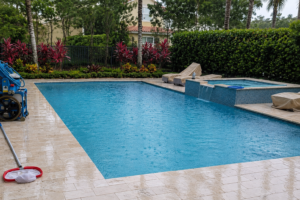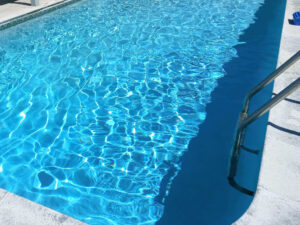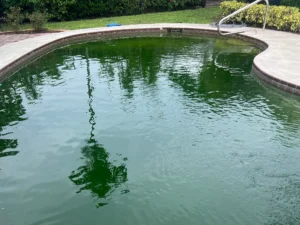
Thinking about giving your swimming pool a facelift? Over time, even well-maintained pools begin to show signs of wear. What was once a smooth, bright surface can start to look dull, rough, or stained.
If your pool is starting to feel uncomfortable underfoot or looks worn despite regular care, it may be time to consider replastering.
Pool replastering is the process of removing the worn surface layer and applying a new plaster finish. This restores the pool’s appearance, improves comfort, and helps protect the structure underneath. It is one of the most common ways to extend the life of a residential pool in South Florida.
Many homeowners begin their research by looking up how to replaster a swimming pool. While it is helpful to understand the process, replastering is not a simple weekend project. It requires the right equipment, proper surface preparation, and precise timing to get a result that lasts.
Before getting into the process, it helps to understand why plaster breaks down in the first place.
Why Pool Plaster Wears Down Over Time
Over time, every pool surface is affected by daily use and environmental exposure. Chemical wear slowly erodes the finish, especially if water chemistry is not perfectly balanced. Sun exposure and heat accelerate that process, while heavy rain can dilute chemicals and throw off water balance. Even regular maintenance like acid washing removes a thin layer of plaster each time it is done.
In South Florida, these conditions are constant. Pools are exposed to year-round sun, humidity, and frequent rain. That combination is a big part of how weather affects pool maintenance and surface longevity. The result is that plaster simply does not last forever, no matter how well the pool is maintained.
Signs Your Pool Needs Replastering
There are a few clear signs that it may be time to replaster your pool. One of the most noticeable is a rough or pitted surface. As plaster wears down, it becomes less comfortable to walk on and can even cause minor cuts or irritation. Staining is another common issue, especially when discoloration no longer responds to cleaning or chemical adjustments. You may also see small cracks, flaking, or areas where the finish is thinning.
When these signs appear, replastering is not just about appearance. It is about protecting the underlying structure of the pool and preventing more expensive repairs down the line.
Although many articles explain how to replaster a swimming pool step by step, the reality is that this type of work is best handled by professionals. The process involves draining the pool, removing or preparing the existing surface, repairing any structural issues, applying bonding agents, and installing the new plaster evenly before it begins to set. Timing is critical, and even small mistakes during application or curing can lead to uneven finishes, premature wear, or failure of the new surface.
For most homeowners, the risk of getting it wrong outweighs any potential savings. A properly done replastering job should last for years. A poorly done one can require repairs much sooner.
Understanding the general process is still useful when planning a project. Replastering typically starts with draining the pool and preparing the surface. Any cracks or damaged areas are repaired before a bonding agent is applied. The new plaster is then installed and carefully finished to create a smooth, consistent surface. After that, the pool is refilled and the water chemistry is balanced during a critical startup period.
Most replastering projects take about five to seven days of active work, followed by a curing and startup phase that continues for several weeks. Understanding the pool plaster curing process is critical to protecting the new surface and ensuring it lasts. Weather conditions can affect both the timeline and the final result, which is why proper planning and experience matter.
The National Plasterers Council provides general guidelines on proper plaster application and startup practices, reinforcing how important correct installation and curing are for long-term durability.
Homeowners often use the terms replastering and resurfacing interchangeably. In most cases, replastering is one type of resurfacing, specifically referring to traditional plaster finishes. Other resurfacing options, such as quartz or aggregate finishes, can offer different textures, durability, and appearance.
If your pool surface is starting to show signs of wear, the best next step is to have it evaluated. A professional can determine whether a full replaster is needed or if there are other options that make more sense.
If you’re considering pool replastering, Finn’s Pool Services offers professional pool resurfacing services designed to restore your pool’s surface and extend its lifespan. You can also learn more about how weather affects pool maintenance and why timing matters when planning a resurfacing project.
If your pool surface is showing signs of wear, contact Finn’s Pool Services to schedule an evaluation and get a clear plan for resurfacing or replastering before the damage gets worse.
- Phone: (561) 566-9344
- Email: [email protected]
-
Address: 1335 Old Okeechobee Rd. #450
West Palm Beach, FL 33401 - Mon – Fri: 8:00 AM – 6:00 PM
- Sat & Sun: 9:30 AM – 4:00 PM