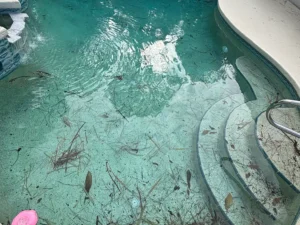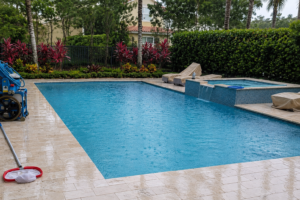
A pool never sleeps in South Florida. It’s a cool relief from the summer heat and a break from the humidity. Pools in West Palm Beach are used year-round, which means they’re also constantly exposed to the elements.
While pool time is enjoyable, South Florida pool maintenance can be more demanding than many homeowners expect, especially without consistent professional care. Many homeowners rely on a regular pool maintenance service in West Palm Beach to keep everything balanced and running properly year-round.
Understanding how weather affects pool maintenance is key to staying ahead of costly repairs and keeping your pool clean and safe. This guide breaks down how South Florida’s climate impacts your pool and what to watch for.
More from Finn’s Pool Services’ Blog
Reactive home maintenance can disrupt your schedule in West Palm Beach. Follow this simple guide to handling home maintenance without getting overwheled.
👉 https://finnspoolservices.com/home-maintenance-without-feeling-overwhelmed/
Why South Florida Weather Is Hard on Pools
South Florida’s climate allows for near-daily pool use, but it also puts constant stress on your pool.
The region averages over 240 sunny days each year, with high UV exposure that breaks down pool finishes, fades surfaces, and reduces chlorine effectiveness.
Temperatures often stay between 80°F and 90°F, while humidity remains high. This combination speeds up chemical reactions, increases evaporation, and creates ideal conditions for algae growth.
Rain adds another layer. Sudden downpours dilute sanitizer levels, disrupt pH balance, and introduce debris into the pool.
In South Florida, your pool is always in use and always exposed. Over time, that wear adds up, which is why South Florida pool maintenance requires more consistency than in most other climates.
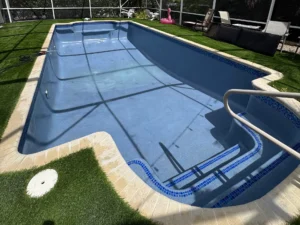
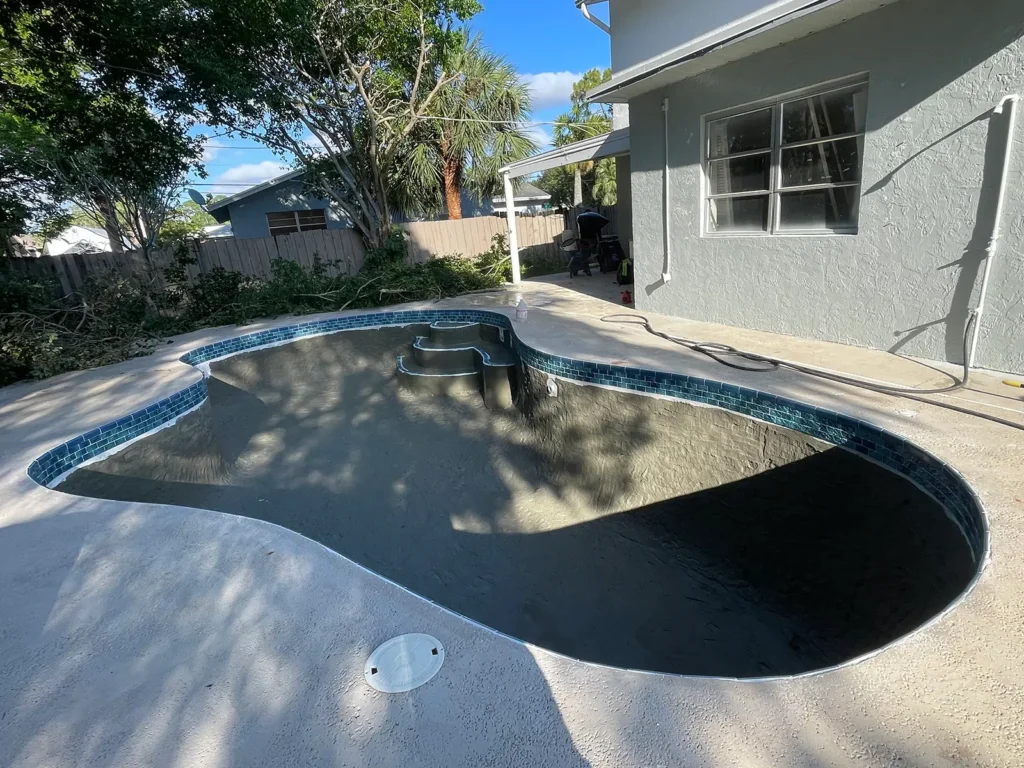
Before Resurfacing
After Plaster Application (Before Fill)
Sun Exposure and Surface Wear
South Florida’s intense sun is one of the most overlooked causes of long-term pool damage.
Constant UV exposure gradually breaks down pool finishes, leading to fading, roughness, and surface deterioration. Heat also causes materials to expand and contract, which can lead to small cracks or surface instability over time.
If not addressed, this type of sun damage can eventually require full resurfacing. Regular inspections and balanced water chemistry are an important part of South Florida pool maintenance to slow this process. This is one example of how weather affects pool maintenance, especially when it comes to long-term surface care.
Heavy Rain and Water Chemistry Imbalance
Rain has a direct impact on pool water chemistry.
According to the Centers for Disease Control and Prevention, maintaining proper pH and chlorine levels is essential for safe swimming. They recommend a “pH of 7.0-7.8 and a chlorine concentration of at least 1ppm in pools“. Heavy rain dilutes chlorine, shifts pH levels, and introduces contaminants.
This “rain effect on pool chemistry” often leads to algae growth and cloudy water if not corrected quickly. After heavy rain, testing and rebalancing your water should be part of your regular maintenance routine.
Staying consistent with your water chemistry helps prevent larger issues from developing. This is a clear example of how weather affects pool maintenance, especially after heavy rain events.
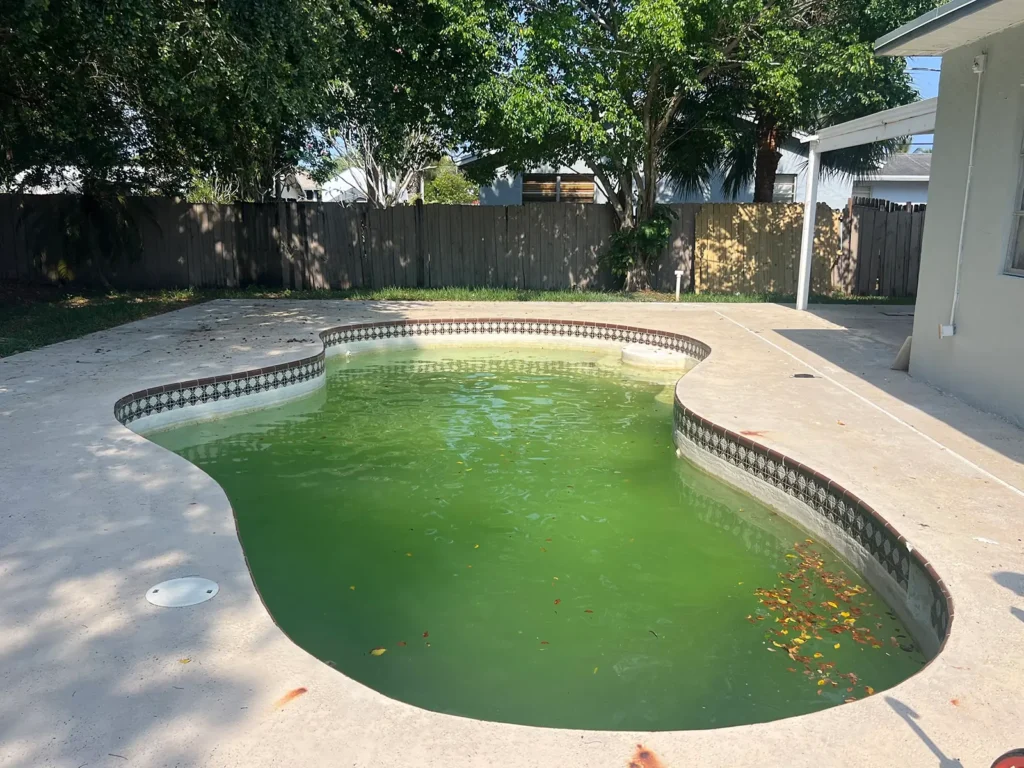
What Poor Water Balance Can Look Like
Unbalanced Pool Water After Weather Exposure:
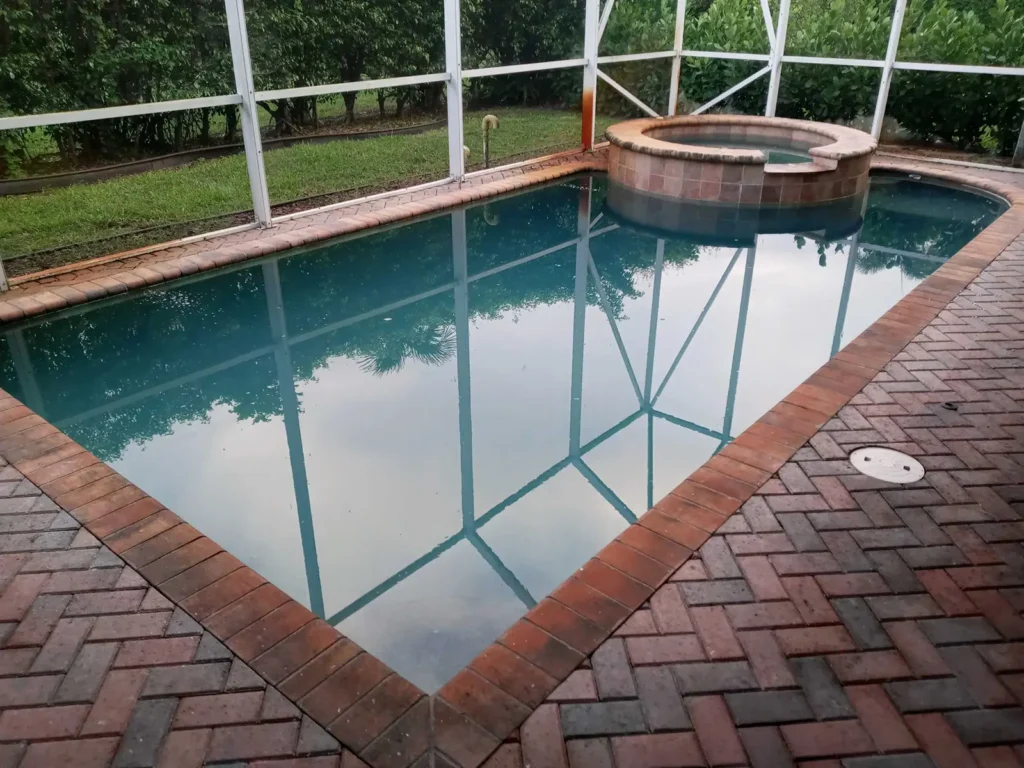
Weather changes can quickly throw off water chemistry, leading to cloudy or discolored pool water if not corrected.
👉 More from Finn’s Pool Services’ Blog
You can learn more about the hidden costs of choosing the wrong pool maintenance partner in our detailed article about how pool maintenance affects home insurance prices in Florida.
Heat and Increased Chemical Demand
High temperatures increase the rate at which pool chemicals are used.
In South Florida, chlorine dissipates faster, which means pools need more frequent monitoring and adjustment. Warmer water also increases the rate of bacterial growth. The Centers for Disease Control and Prevention (CDC) emphasizes that maintaining proper disinfectant levels is critical, especially in warmer water where microbial growth can accelerate.
Heat also increases evaporation, which can concentrate minerals and throw off water balance. This is another way how weather affects pool maintenance in South Florida, requiring more frequent monitoring compared to cooler regions.
Storms, Debris, and Filtration Stress
Storms bring more than just rain; they introduce debris, dirt, and organic material into your pool. Leaves, pollen, and runoff increase the load on your filtration system, forcing it to work harder to maintain water clarity.
Over time, this added strain can reduce efficiency and contribute to wear on pumps and filters. The Environmental Protection Agency (EPA) highlights that contaminants in water increase the demand on filtration and treatment systems.
Regular cleaning and inspection are essential to keep track of debris levels in the pool and reduce equipment fatigue. Storm activity is one of the biggest ways how weather affects pool maintenance, especially for filtration systems.
Salt Air and Pool Equipment Corrosion (Coastal Areas)
For homeowners near the coast, salt air adds another layer of maintenance.
Airborne salt settles on equipment and accelerates corrosion, especially on metal components like pumps, heaters, and fittings.
In areas like Jupiter and waterfront Palm Beach properties, this often leads to shorter equipment lifespans and more frequent repairs. Routine equipment checks are an important part of South Florida pool maintenance in coastal areas. Coastal exposure is another example of how weather affects pool maintenance in South Florida.
How Weather Impacts Long-Term Pool Costs
In South Florida, the tropical environment increases long-term maintenance demands.
- Regular Maintenance: Unlike other states, there is no “off-season” for maintenance in South Florida. You have to undertake year-round cleaning and chemical treatments because the pool is in use for the entire year.
- Faster Wear & Tear: The high humidity and salt air (especially near the coast) accelerate corrosion on metal components. Constant UV exposure also degrades plastic parts and gaskets much faster than in milder climates.
- Shortened Equipment Lifespan: Since pumps and filters run daily throughout the year, they hit their “hour limits” sooner. You can expect to replace motors and salt cells significantly more often due to the relentless workload and heat stress.
Understanding how weather affects pool water and systems helps explain why long-term costs in Florida are often higher, and why proactive maintenance matters. These long-term effects further show how weather affects pool maintenance and overall ownership costs.
South Florida Pool Maintenance Tips
South Florida’s climate puts constant pressure on your pool, but consistent care helps reduce long-term damage.
- Regular cleaning helps remove debris before it strains your system
- Maintaining proper water balance prevents scaling, staining, and algae growth
- Routine equipment checks help catch early signs of wear
- Adjusting chemicals after rain and heat changes keeps water stable
Following consistent pool maintenance tips helps protect your pool year-round.
At Finn’s Pool Services, we have seen that pools maintained proactively in Florida’s climate last longer and require fewer major repairs.
How to Choose the Right Pool Maintenance Company
If you are not handling maintenance yourself, choosing the right company matters.
Learn how to pick the right pool maintenance company in West Palm Beach with this guide.
Recap
- South Florida weather increases maintenance demands
- Sun exposure causes surface wear and fading
- Rain disrupts water chemistry
- Heat increases chemical demand
- Storm debris strains filtration systems
- Salt air accelerates equipment corrosion
FAQ's
How does weather affect pool maintenance in South Florida?
It increases chemical demand, debris load, and equipment wear, which requires more frequent monitoring and adjustments.
Does rain really impact pool water chemistry significantly?
Yes. Rain dilutes chlorine, alters pH, and introduces contaminants, which requires rebalancing.
Why do pool surfaces wear out faster in Florida?
Constant UV exposure, heat, and chemical fluctuations accelerate surface breakdown.
Keep Your Pool Protected Year-Round
South Florida weather makes pool ownership enjoyable, but it also increases the need for consistent care.
Understanding how weather affects pool maintenance helps you stay ahead of damage and avoid unnecessary repairs.
If you want help keeping your pool clean, balanced, and running properly, contact Finn’s Pool Services to schedule service by calling or using the form below.
Photo Credit: Hero Image by Eric Prouzet
- Phone: (561) 566-9344
- Email: [email protected]
-
Address: 1335 Old Okeechobee Rd. #450
West Palm Beach, FL 33401 - Mon – Fri: 8:00 AM – 6:00 PM
- Sat & Sun: 9:30 AM – 4:00 PM