Choosing the right pool heater in South Florida comes down to two things: how quickly you want the pool heated and how much you want to spend operating it each month.
Homeowners often compare the pool heat pump vs gas heater cost because the upfront price, operating cost, and heating performance are very different between the two systems.
In Palm Beach County, where pools are used year-round, the cheapest heating option is not always the one with the lowest purchase price. Long-term efficiency, fuel usage, and how often you actually heat the pool all play a major role in total cost.
If your current system is not heating properly, our pool heater repair services can help diagnose the issue before replacement becomes necessary.
Mechanical Differences: How They Generate Heat
A gas pool heater uses natural gas or propane to create a flame that heats a copper or cupro-nickel heat exchanger. Pool water passes through the exchanger and warms up quickly before returning to the pool. Because the system creates heat directly, it can heat water efficiently even during colder weather.
A heat pump works differently. It pulls heat from the outside air, compresses it, and transfers that heat into the pool water. Since it moves heat instead of generating it, a heat pump is significantly more energy-efficient than a gas heater. However, it depends on warm outdoor air to operate effectively.
👉 Want to learn more to extend the life of your pool? Here is our dedicated blog describing in detail the signs that you need pool resurfacing.
Upfront Purchase and Installation Costs
When comparing the pool heat pump vs gas heater cost, the equipment price is usually the first consideration.
- Gas Heaters: Typically range from $3,500 to $4,500 depending on BTU size and fuel type. Installation costs are lower if the property already has an existing gas line.
- Heat Pumps: Usually range from $5,000 to $6,000. The unit itself costs more upfront, but no gas connection is required. Instead, a dedicated electrical circuit is needed.
The installation cost can vary depending on your equipment pad layout, electrical setup, and the size of the pool being heated.
Heat pumps have become increasingly common in South Florida due to their lower monthly operating cost and energy efficiency. For many homeowners, the real pool heat pump vs gas heater cost becomes clear after comparing long-term energy usage instead of focusing only on installation pricing.
Monthly Operating Costs in Palm Beach County
This is where heat pumps become the better long-term investment for many Florida homeowners.
To generate the same amount of heat, a gas heater can cost several times more to operate than a heat pump. In South Florida, winter temperatures usually remain warm enough for heat pumps to run efficiently throughout the season.
For a standard 15,000-gallon pool, maintaining a temperature around 84 degrees with a heat pump may cost approximately $50 to $100 per month in electricity. Heating the same pool with propane could easily exceed $500 per month depending on fuel pricing and usage habits.
This is one reason heat pumps are so common in Palm Beach County neighborhoods where pools are heated consistently throughout winter.
👉 More from Finn’s Pool Services’ Blog
You can learn more about the hidden costs of choosing the wrong pool maintenance partner in our detailed article about how pool maintenance affects home insurance prices in Florida.
Performance and Recovery Time
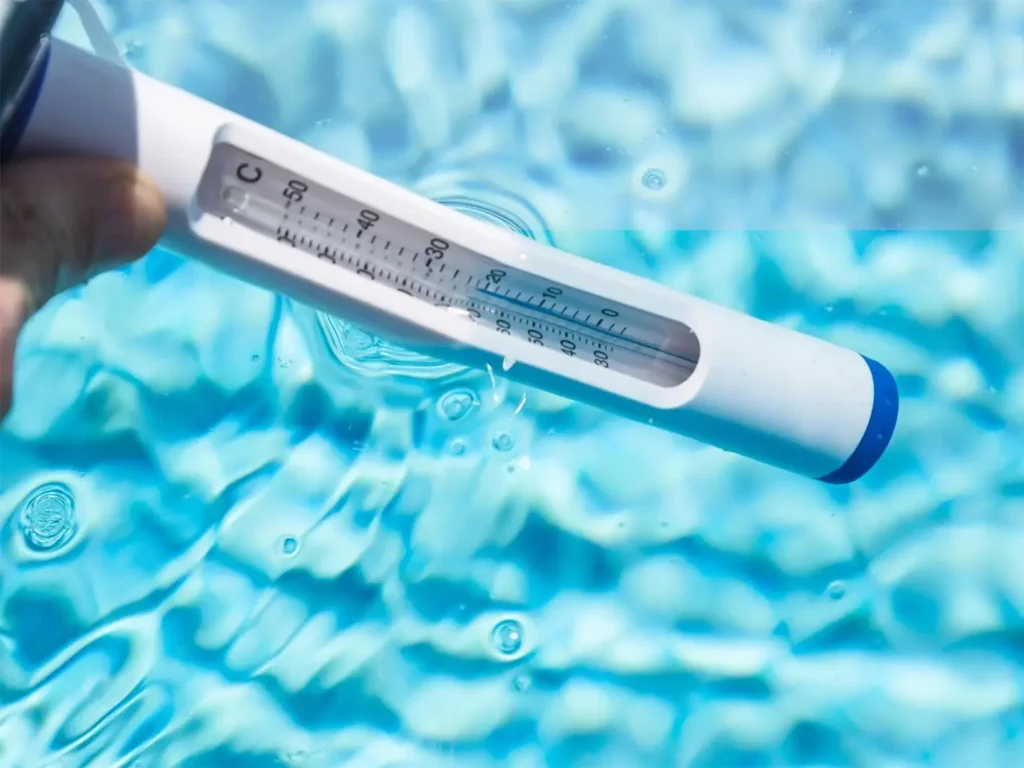
While heat pumps are more efficient, they do not heat water as quickly as gas systems.
A gas heater works almost like an on-demand system. It can raise the water temperature by several degrees within a few hours, making it ideal for spas or occasional pool heating before guests arrive.
Heat pumps work best when maintaining a consistent temperature over longer run times. Instead of quickly heating cold water, they slowly maintain warmth throughout the day.
If you want your spa heated quickly on short notice, a gas heater is usually the better option.
Which System Is Right for You?
The right system depends on how you use your pool.
- Choose a Heat Pump if: You swim regularly during cooler months and want the lowest possible operating cost.
- Choose a Gas Heater if: You primarily want fast spa heating or only heat the pool occasionally for short periods.
We find most homeowners prioritize efficiency, but it’s not uncommon for some to prioritize speed and convenience.
The Hybrid Approach
Many high-end homes in Jupiter and Palm Beach Gardens use a hybrid setup that combines both systems.
In these installations, a heat pump maintains the pool at a comfortable baseline temperature while a gas heater quickly heats the spa when needed. This approach balances long-term efficiency with fast performance.
For larger pools and luxury outdoor spaces, hybrid systems can provide the best overall user experience.
Long-Term Maintenance Considerations
Both systems require regular maintenance to operate efficiently.
Gas heaters should be inspected for burner issues, corrosion, and heat exchanger damage. Heat pumps require proper airflow, coil cleaning, and electrical inspection to maintain efficiency.
South Florida’s humidity, salt air, and year-round usage can shorten the lifespan of poorly maintained equipment. Routine inspections and proper water chemistry help prevent premature heater failure.
Consistent maintenance and balanced chemistry also help reduce strain on pool equipment throughout the year. Learn more about how weather affects pool maintenance in South Florida.
Final Thoughts
The decision between a heat pump and a gas heater comes down to balancing upfront cost, operating expense, and heating expectations.
For many South Florida homeowners who heat their pools regularly, a heat pump provides the best balance of efficiency and long-term operating cost. Gas heaters remain the preferred option for fast heating performance and spa use.
If you are considering upgrading your pool heating system, Finn’s Pool Services can help you compare options based on your pool size, usage habits, and long-term operating goals.
Updated May 2026
Photo Credit: Hero Image by Eric Prouzet
- Phone: (561) 566-9344
- Email: [email protected]
-
Address: 1335 Old Okeechobee Rd. #450
West Palm Beach, FL 33401 - Mon – Fri: 8:00 AM – 6:00 PM
- Sat & Sun: 9:30 AM – 4:00 PM