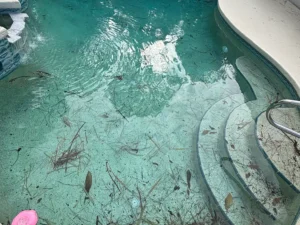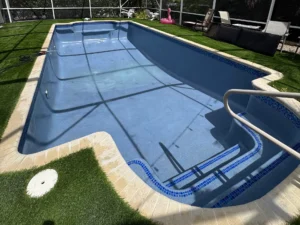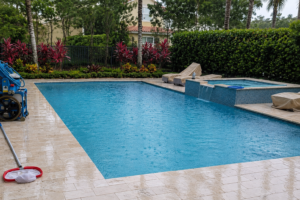
A swimming pool can hide its age surprisingly well, until it can’t. One day, the finish looks a little dull. Then come the stains that won’t scrub away, the rough spots under your feet, and the discoloration that makes the pool look older than it really is.
If you’ve started noticing these signs, you should know your pool is due for a resurfacing. Many homeowners begin researching pool resurfacing cost Florida before they fully understand what’s included in the project or what factors influence pricing. Once resurfacing becomes a real possibility, the next question is obvious: How much does pool resurfacing cost in Florida?
The answer is not a straightforward number because resurfacing isn’t a one-size-fits-all project. A small pool with a worn plaster finish will have very different needs than a larger pool with cracks or damaged tile. The type of finish you choose also plays a major role in the overall investment.
The good news is that understanding what drives resurfacing costs can make budgeting much easier. In this guide, we will break down the factors that affect pricing, compare popular finish options, and explain what homeowners should know before starting a pool resurfacing project in South Florida.
Average Cost of Pool Resurfacing in South Florida
One of the first things homeowners discover when researching pool resurfacing cost in Florida is that pricing can vary significantly from one pool to another. Unlike replacing a standard appliance or fixture, resurfacing costs are highly dependent on the condition of the pool and the scope of work involved.
Most South Florida homeowners can expect pool resurfacing projects to start around $6,000 for a typical 15-by-30-foot residential pool with a standard gem finish, assuming the project does not require tile replacement or significant repairs.
From there, costs can increase based on the finish selected, pool size, surface condition, and any additional work discovered during the resurfacing process. Quartz and pebble finishes, waterline tile replacement, crack repairs, bond beam repairs, and other upgrades can all increase the overall investment.
Because every pool is different, resurfacing costs are best viewed as a range rather than a fixed number.
Most resurfacing projects fall into broad pricing categories rather than a single predictable range. A straightforward resurfacing project will typically cost less than one that includes repairs, tile replacement, or other renovation work. Material selection also plays a role, with plaster, quartz, and aggregate finishes representing different investment levels.
Two pools that appear similar on the surface can require very different amounts of labor and repair work once the existing finish is removed.
For that reason, understanding what’s included in an estimate is often more important than focusing solely on the bottom-line number.
What Affects the Cost of Resurfacing a Pool?
While the type of finish plays a major role in pricing, several other factors can influence the overall cost to resurface a pool that Florida homeowners should budget for. Some are visible before work begins, while others may only become apparent once the existing surface is removed.
- Pool size and shape: Larger pools require more materials and labor, while freeform designs, attached spas, and custom features can add complexity to the project.
- Existing surface condition: A pool with minor surface wear is typically less labor-intensive than one with significant deterioration, hollow spots, or delaminated plaster.
- Crack repairs: Structural or cosmetic cracks often need to be addressed before a new finish can be applied.
- Bond beam repairs: Damage along the upper edge of the pool can require repair work to ensure the new surface has a solid foundation.
- Waterline tile replacement: Older or damaged tile may need replacement, especially if it is removed or affected during the resurfacing process.
- Accessibility: Pools with limited equipment access, tight property lines, or challenging site conditions can increase labor requirements.
- Material selection: Different finishes require different installation methods, material quantities, and levels of craftsmanship.
- Additional remodeling work: Upgrades such as coping replacement, new decking, lighting improvements, or water features can increase the overall pool renovation cost when completed alongside resurfacing.
For example, one of our customers in Boca Raton noticed rough plaster and discoloration and decided to move forward with resurfacing. Before starting the project, we explained that some underlying issues only become visible after the old finish is removed. Once demolition was complete, we found several hollow spots and cracks beneath the surface that couldn’t be seen beforehand. Although the repairs increased the scope of work, correcting them before applying the new finish helped prevent larger problems down the road.
More from Finn’s Pool Services’ Blog
Learn more about the factors that influence pool resurfacing cost in Palm Beach County and the differences between pool replastering and resurfacing before planning your project.
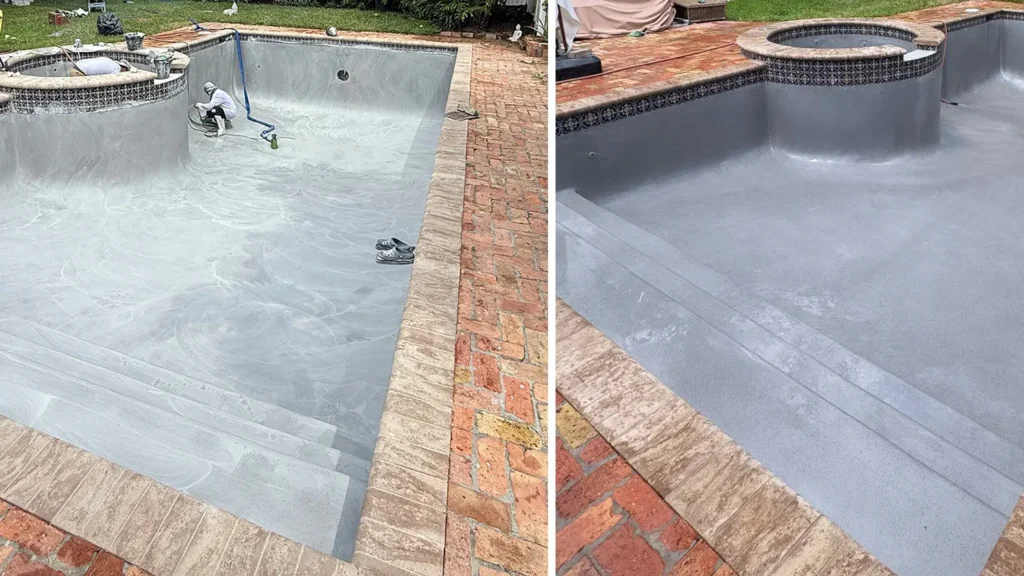
Cost Differences Between Plaster, Quartz, and Aggregate Finishes
One of the biggest factors affecting pool resurfacing price is the type of finish you choose. While all three options protect the pool shell and create a smooth, attractive swimming surface, they differ in appearance, durability, maintenance requirements, and long-term value.
The right choice often depends on your budget, aesthetic preferences, and how long you plan to stay in the home.
| Finish Type | Typical Cost Level | Best Fit |
|---|---|---|
| White Plaster | Lowest | Homeowners looking for a smooth, traditional finish at the lowest upfront cost |
| Quartz | Moderate | Homeowners who want better durability and color options without moving into premium pricing |
| Pebble / Aggregate | Highest | Homeowners looking for maximum durability, texture, and long-term performance |
Traditional White Plaster
White plaster has been the standard pool finish for decades and is often the most budget-friendly resurfacing option. It provides a clean, classic look that works well with many pool designs.
However, plaster typically has a shorter lifespan and may show staining, etching, or wear more quickly, especially in South Florida’s climate. Homeowners who prioritize affordability and a traditional appearance often find plaster to be a practical choice. Homeowners considering plaster should also understand how water chemistry can affect long-term plaster performance and appearance.
Quartz Finishes
Quartz finishes blend plaster with quartz aggregates, creating a surface that is generally more durable than standard plaster. They are available in a wider range of colors and often provide better resistance to staining and surface wear.
Many homeowners view quartz as a middle-ground option that balances upfront investment with improved longevity. For those comparing pool replastering cost against long-term durability, quartz can offer an attractive compromise.
Pebble and Aggregate Finishes
Pebble and aggregate finishes are typically considered premium resurfacing materials. These finishes use natural stone aggregates to create a textured, high-end appearance that can complement many South Florida outdoor living spaces.
While the initial investment is generally higher, aggregate finishes are known for their durability and long lifespan. They also offer a wide variety of colors and visual effects, allowing homeowners to create a more customized pool appearance.
Which Finish Offers the Best Value?
There is no universal “best” finish for every pool. A homeowner focused on minimizing upfront pool renovation cost may lean toward traditional plaster, while someone planning to stay in their home for many years may prioritize the durability of quartz or aggregate finishes.
The finish that delivers the best value is often the one that aligns most closely with your budget, usage habits, and long-term goals for the pool.
Hidden Costs Homeowners Don’t Expect
Even a well-planned resurfacing project can uncover expenses that weren’t obvious at the start. This is one of the main reasons pool resurfacing costs in Florida may differ from initial expectations.
- Tile replacement discovered during resurfacing: Once the old finish is removed, existing waterline tile may be loose, outdated, or beyond repair.
- Deck repairs: Cracked or settling pool decks sometimes become more noticeable when work begins around the pool perimeter.
- Coping repairs: The coping around the pool edge may need resetting or replacement if it shows signs of movement or deterioration.
- Equipment issues revealed during draining: Pumps, filters, or valves that seemed functional can show problems once the system is shut down and restarted.
- Permit requirements for larger projects: Some resurfacing projects that include structural or additional renovation work may require local permitting.
- Startup chemicals and water balancing: Fresh plaster and new finishes require careful chemical startup and a proper 30-day curing process to ensure long-term durability and appearance.
A South Florida homeowner, for example, may plan for a standard resurfacing job but discover that the waterline tile is no longer securely bonded once the pool is drained. What initially seemed like a minor cosmetic update can quickly expand into a more comprehensive renovation once these issues are addressed.
We also occasionally see homeowners budget for a new finish only to find aging pool lights, loose coping, or deteriorated tile that makes sense to address while the pool is already drained. Combining projects can increase the initial investment but often reduces future labor costs.
For this reason, experienced contractors usually recommend setting aside a contingency when planning a pool renovation cost, especially for older pools or those that haven’t been updated in many years.
How to Budget for Pool Resurfacing?
Budgeting for a resurfacing project is less about picking a number and more about understanding what you’re paying for. In South Florida, where pools are used year-round, planning ahead can make a noticeable difference in both cost control and long-term results.
One of the most practical steps is to plan resurfacing before the pool reaches complete surface failure. Waiting too long can turn a standard resurfacing into a larger repair project, which can increase the overall cost of resurfacing a pool in Florida.
It also helps to obtain multiple estimates, but not just to compare final prices. The real value comes from comparing what each proposal includes, such as surface preparation, repairs, material type, and post-installation care. Two quotes that look similar on paper may differ significantly in scope.
Choosing the lowest bid is not always the best approach. A more balanced approach is to weigh upfront investment against long-term performance. For example, a higher-quality quartz or aggregate finish may cost more initially, but it can reduce maintenance needs and extend the time before another resurfacing is needed.
Is Pool Resurfacing Worth the Investment?
Once the surface wears down, it affects more than appearance, it can impact comfort, upkeep, and even the long-term health of the pool shell. It makes resurfacing a necessity.
A newly resurfaced pool immediately improves the look of the entire backyard. In South Florida, where outdoor living is a major part of home life, that visual upgrade alone can make a noticeable difference in how the property feels and is used.
Comfort is another major factor. Rough plaster, staining, and surface etching don’t just look bad, they can make swimming less enjoyable. A new finish restores a smooth, consistent surface that’s easier on skin and feet.
From a maintenance standpoint, resurfacing helps protect the underlying structure of the pool. Small imperfections in an aging surface can allow water penetration and gradual deterioration over time. Addressing these issues early is typically more cost-effective than waiting for more serious damage to develop.
A well-maintained pool supports property value and reduces the likelihood of more expensive structural repairs later. In many cases, resurfacing restores the pool before minor surface issues become larger repair projects. Addressing problems early is usually more cost-effective than waiting until the finish has completely failed.
Avoiding Resurfacing Becomes a Costly Choice
Understanding pool resurfacing cost in Florida comes down to recognizing that pricing is shaped by multiple moving parts, not a single fixed number. Pool size, surface condition, repair needs, and finish selection all play a role in determining the final scope of work.
Rather than focusing only on the lowest estimate, it’s more useful to evaluate what each proposal includes and how well it addresses the actual condition of the pool. Ultimately, the real value of resurfacing isn’t just in restoring appearance; it’s in protecting the structure, improving comfort, and extending the life of the pool.
For homeowners in South Florida, resurfacing is often an opportunity to address existing issues, improve the pool’s appearance, and make choices that support long-term durability and easier maintenance.
Every pool resurfacing project is different. The best way to understand your options and budget is through a professional evaluation of the pool’s condition, finish selection, and any repairs that may be needed. Finn’s Pool Services helps homeowners throughout Palm Beach County make informed resurfacing decisions based on long-term value, durability, and appearance.
Use the form below to schedule a consultation and discuss your project with our team.
Photo Credit: Hero Image by Eric Prouzet
- Phone: (561) 566-9344
- Email: [email protected]
-
Address: 1335 Old Okeechobee Rd. #450
West Palm Beach, FL 33401 - Mon – Fri: 8:00 AM – 6:00 PM
- Sat & Sun: 9:30 AM – 4:00 PM