If you’ve searched for how often you should shock a pool in Florida, you’ve probably seen recommendations ranging from once a week to every couple of weeks. The problem is that a fixed pool shock schedule doesn’t account for what’s actually happening in your water.
South Florida pools deal with intense sunlight, high water temperatures, heavy summer rain, year-round use, and plenty of organic debris. All of these factors affect chlorine demand. A pool that has maintained proper sanitizer levels and clear water may not need to be shocked simply because another week has passed. A pool hit by a heavy storm, unusually high swimmer use, or an algae problem may need attention much sooner.
At Finn’s Pool Services, we recommend making these decisions based on water testing and pool conditions instead of relying on the calendar alone.
What Does Shocking a Pool Actually Do?
Shocking is the process of raising the chlorine level in a swimming pool to address contaminants or water conditions that routine sanitizer levels aren’t adequately handling.
Under normal conditions, free chlorine continuously sanitizes your pool. Swimmers, leaves, pollen, sunscreen, body oils, and other contaminants create additional chlorine demand. When chlorine reacts with certain contaminants, combined chlorine compounds called chloramines can also form.
The Centers for Disease Control and Prevention explains that chloramines can cause the strong chemical smell people sometimes associate with swimming pools, along with eye and respiratory irritation.
Depending on the pool’s condition, shocking can be used to:
- Raise free chlorine when a higher sanitizer level is needed.
- Oxidize organic contaminants in the water.
- Address combined chlorine.
- Treat or help prevent an active algae problem.
The important part is determining why you’re shocking the pool in the first place. Adding more chlorine without understanding the existing water chemistry can waste chemicals and create new water balance problems.
How Often Should You Shock a Pool in Florida?
There isn’t one schedule that’s right for every Florida pool.
You’ll commonly see recommendations to shock weekly or every other week, especially during summer. That may be appropriate for some pools and unnecessary for others.
A better approach is to regularly test your water and pay attention to changing conditions.
During South Florida’s hottest months, chlorine can disappear faster because of intense UV exposure, warmer water, storms, heavier swimming activity, and increased organic debris. That means you may need to check your sanitizer levels more frequently even if you don’t need to shock more frequently.
As Sean Finnerty, the owner of Finn’s Pool Services, explains:
“During the summer, we recommend checking chlorine more frequently than shocking on a fixed schedule.”
That distinction matters.
If free chlorine is staying where it should, the water is clear, combined chlorine isn’t becoming a problem, and there are no signs of algae or unusual contamination, automatically adding shock because it’s Saturday may accomplish very little.
If testing or pool conditions show that the sanitizer is struggling, waiting several more days for a scheduled treatment doesn’t make sense either.
When Should You Shock a Pool in South Florida?
Instead of watching the calendar, watch the pool.
Several situations can create enough additional chlorine demand that shocking or another chlorine adjustment may be appropriate.
After Heavy Rain or a Major Storm
A typical South Florida afternoon shower doesn’t automatically mean your pool needs to be shocked.
A significant storm is different. Heavy rainfall can affect water chemistry, while wind can introduce leaves, dirt, pollen, and other organic material that increases chlorine demand.
After a major storm, remove debris and test the water before deciding what chemicals are needed.
After Heavy Pool Use
A busy weekend with a lot of swimmers introduces sunscreen, body oils, sweat, and other contaminants into the water.
Check your chlorine after unusually heavy use. If sanitizer levels have fallen significantly or testing indicates that combined chlorine has become a problem, additional treatment may be appropriate.
When Algae Begins to Develop
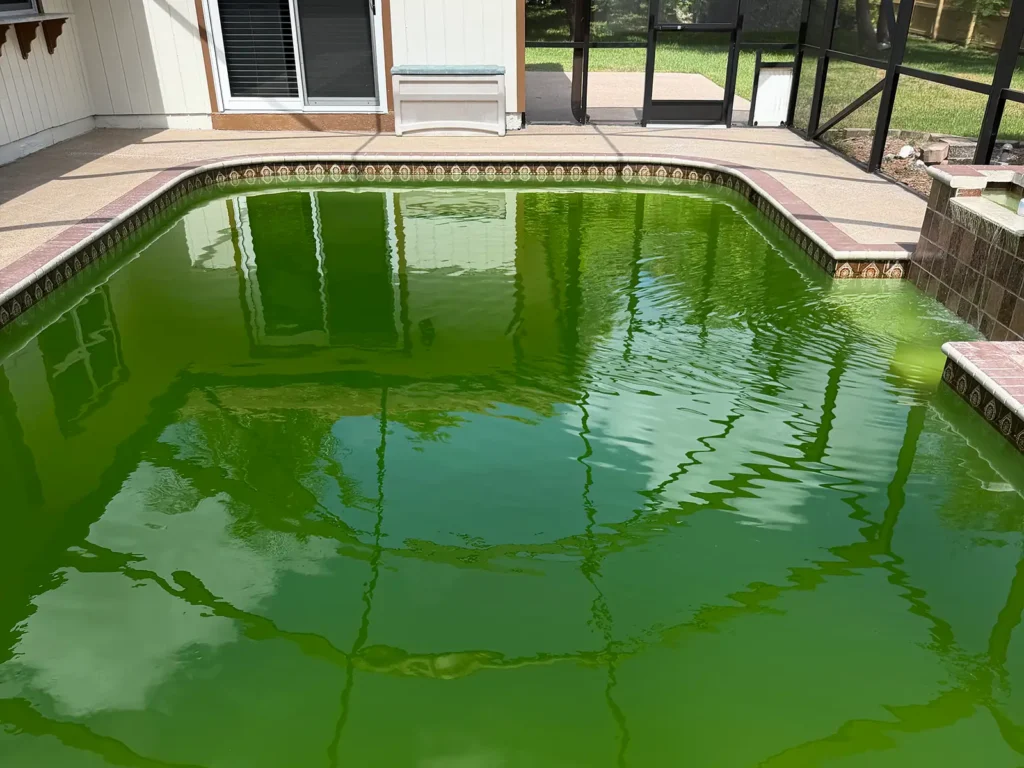
Visible algae is a clear sign that your normal sanitation routine has fallen behind the pool’s chlorine demand.
Early signs can include water losing its normal clarity, green discoloration, or slippery areas developing on pool surfaces.
At that point, simply returning chlorine to its normal maintenance level may not be enough. The pool may require a more aggressive algae treatment that includes chlorine, brushing, circulation, and filtration.
After Certain Contamination Events
Animals and other contamination events can introduce additional organic material or microorganisms into the water. The appropriate response depends on what entered the pool and the extent of the contamination.
Remove the source, test the water, and address the chemistry accordingly rather than automatically adding an arbitrary amount of shock.
After Extended Equipment Downtime
If the circulation system has been off for an extended period, especially during hot weather, test the water when the equipment is restored.
Poor circulation can contribute to uneven sanitizer distribution and algae growth. The pool may need a chlorine adjustment or shock treatment depending on what the test results and water condition show.
Why South Florida Pools Need More Attention
South Florida pools operate under demanding conditions throughout most of the year.
Intense Sunlight
UV exposure breaks down chlorine, especially when cyanuric acid levels aren’t properly maintained. Long summer days can increase the amount of sanitizer a pool needs to remain protected.
Warm Water
Higher water temperatures can increase sanitizer demand and create favorable conditions for algae and microorganisms when chlorine falls too low.
Frequent Summer Rain
Afternoon thunderstorms can change water chemistry and introduce contaminants into the pool. Heavy storms also bring leaves, pollen, dirt, and other debris that chlorine then has to handle.
Year-Round Debris
Palm fronds, landscaping debris, pollen, insects, and other organic material don’t disappear during a long winter off-season because South Florida pools generally remain open throughout the year.
No Traditional Off-Season
Most Palm Beach County homeowners operate their pools year-round. Water chemistry, circulation, filtration, and sanitizer levels therefore require regular attention throughout all four seasons.
These conditions also explain why South Florida pools lose chlorine fast in summer, especially during periods of intense sun, frequent storms, and heavier pool use.
Common Pool Shocking Mistakes
Shocking isn’t complicated, but several common mistakes can make treatment less effective or create unnecessary water chemistry problems.
Ignoring the Existing Water Chemistry
Test before treating.
The pool’s free chlorine, pH, alkalinity, cyanuric acid, and other relevant readings provide important context for deciding what product and dosage are appropriate.
Adding chemicals first and testing afterward turns water treatment into guesswork.
Assuming Every Rainstorm Requires Shock
South Florida gets too much rain for this to be a practical rule.
Check the pool after significant weather events. Remove debris and test the chemistry. A small afternoon shower and a tropical downpour shouldn’t automatically receive the same treatment.
Using the Wrong Chlorine Product
Different chlorine products affect water chemistry differently.
Some granular chlorine products add calcium. Stabilized chlorine products can add cyanuric acid. Liquid chlorine adds neither calcium nor stabilizer.
The right product depends on the chemistry already present in the pool.
Adding More Than the Pool Needs
More chlorine isn’t automatically better.
Use the appropriate amount for your pool volume, current chemistry, and the condition you’re treating. Follow the product manufacturer’s directions and verify the results through testing.
Treating Shock as a Substitute for Routine Maintenance
Shock can’t compensate indefinitely for poor circulation, a dirty filter, clogged baskets, incorrect water balance, or inconsistent sanitizer levels.
A healthy pool depends on the entire system working together.
More from Finn’s Pool Services’ Blog
Reactive home maintenance can disrupt your schedule in West Palm Beach. Follow this simple guide to handling home maintenance without getting overwheled.
👉 https://finnspoolservices.com/home-maintenance-without-feeling-overwhelmed/
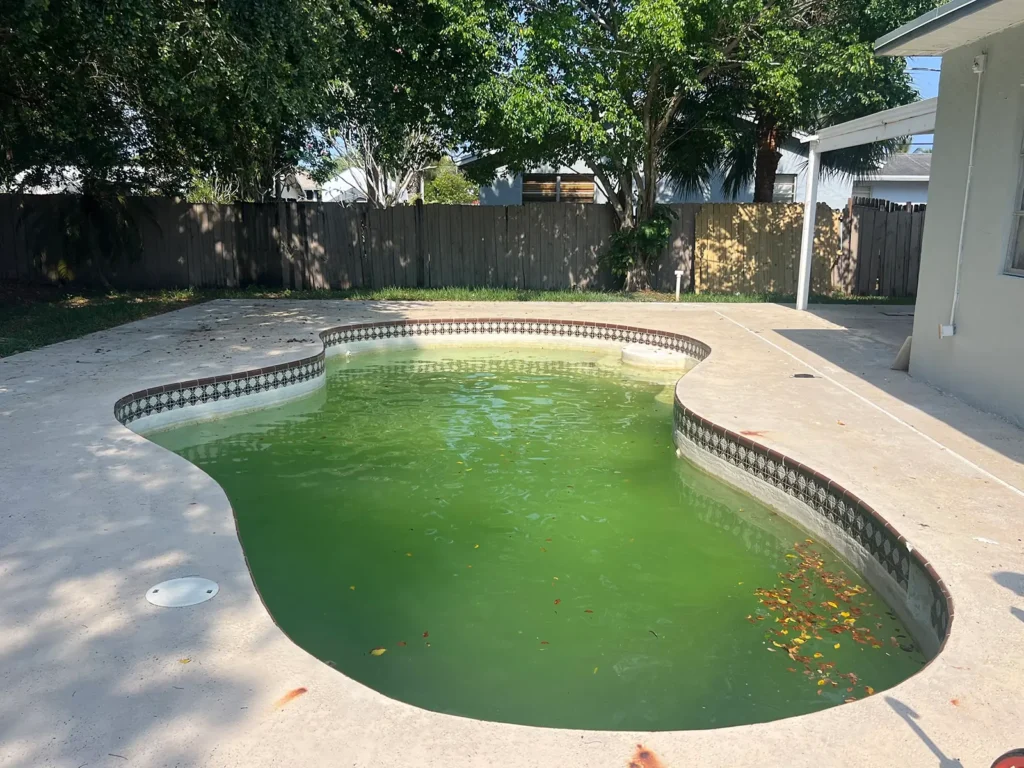
Before Resurfacing
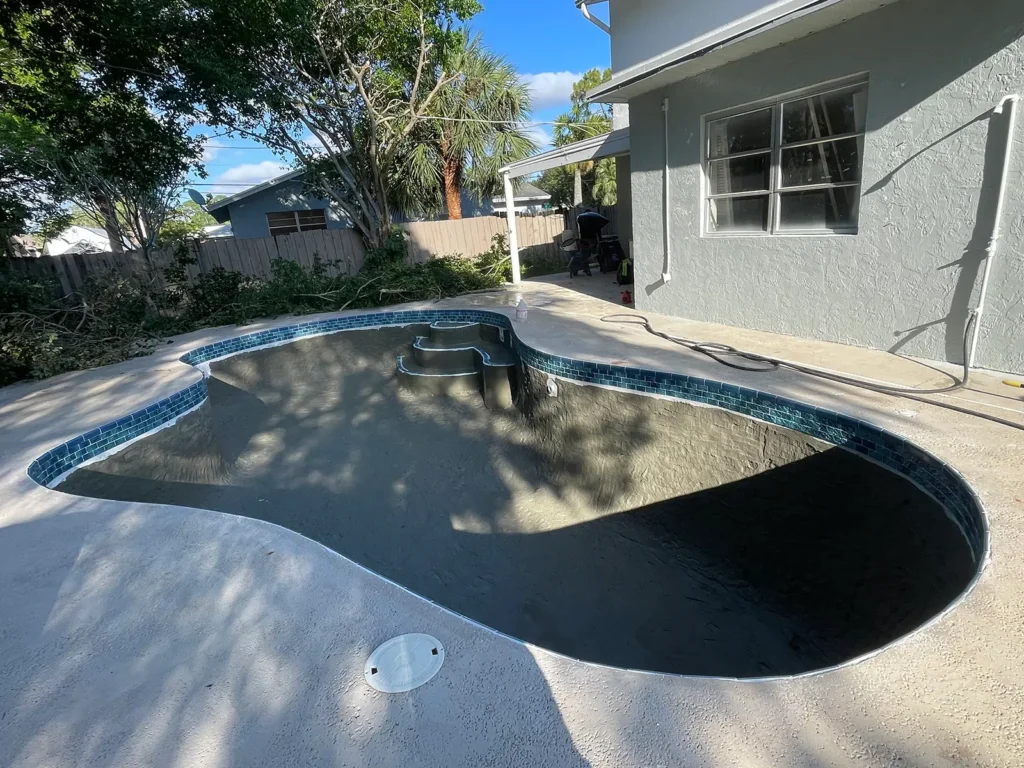
After Plaster Application (Before Fill)
Frequently Asked Questions
Can You Shock a Pool Too Often?
Yes, unnecessary shocking wastes chemicals and can affect other aspects of water chemistry depending on the chlorine product you’re using.
For example, repeatedly using stabilized chlorine can increase cyanuric acid, while some calcium-based products can gradually increase calcium hardness.
Regular testing helps you determine when treatment is actually necessary.
Should You Shock a Pool Before or After Rain?
You don’t need to shock automatically before or after every rainstorm.
After significant rain, remove debris and test the water. If chlorine has dropped too low or the storm created other water quality problems, make the appropriate chemical adjustment based on those results.
Can You Swim After Shocking a Pool?
Don’t rely on a universal number of hours.
The amount of chlorine added, the product used, your starting water chemistry, and other factors can all affect when the pool is ready for swimming again.
Follow the manufacturer’s re-entry instructions and test the water before getting back in.
Is Liquid Chlorine the Same as Pool Shock?
Liquid chlorine can be used to shock a swimming pool.
Its active ingredient is sodium hypochlorite, the same active sanitizer found in plain household bleach, although pool-grade liquid chlorine is generally sold at a higher concentration.
Liquid chlorine also doesn’t add calcium or cyanuric acid, which can make it useful when those levels are already where they should be.
How Often Should You Shock a Pool in Florida? Final Thoughts
So, how often should you shock a pool in Florida? There isn’t a universal weekly or monthly answer.
South Florida’s heat, intense sunlight, frequent rain, heavy swimming activity, and year-round pool season can all increase chlorine demand. The best approach is to test your water regularly and use shock when the pool’s actual condition indicates that it’s needed.
During summer, that may mean checking chlorine more often instead of automatically shocking more often.
If you’d rather have the water tested and adjusted as part of a consistent maintenance schedule, our weekly pool cleaning service includes routine water balancing and pool care for homeowners throughout Palm Beach County.
Photo Credit: Hero Image by Eric Prouzet
- Phone: (561) 566-9344
- Email: [email protected]
-
Address: 1335 Old Okeechobee Rd. #450
West Palm Beach, FL 33401 - Mon – Fri: 8:00 AM – 6:00 PM
- Sat & Sun: 9:30 AM – 4:00 PM