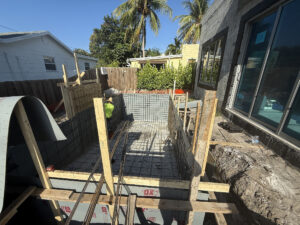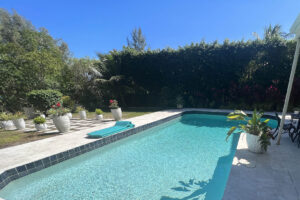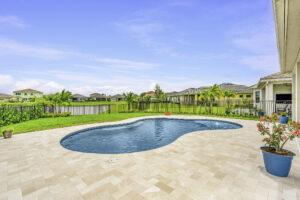
Life in West Palm Beach, Florida, is a quintessential tropical luxury. But that luxury comes at a cost. Minor pool problems that are manageable in cooler climates escalate quickly in West Palm Beach’s hot, humid coastal environment. If overlooked or delayed, a minor pool repair can quickly turn into an expensive project.
In Florida’s year-round swimming climate, there are specific pool repairs you should never delay because damage accelerates faster than in seasonal regions.
The U.S. Environmental Protection Agency and CDC both contend that higher water temperatures increase chlorine loss, algae growth, and strain on circulation systems, requiring tighter control and faster intervention than in cooler climates. In Florida, pools don’t get an “off-season.” Equipment runs longer, surfaces absorb more UV, and consequently, small inefficiencies rarely stay small for long.
Understanding how Florida’s climate accelerates pool wear helps homeowners act early and avoid unnecessary downtime or pool repair costs later. In this post, you will learn about the top 5 pool repairs you should never delay in Florida’s climate.
More from Finn’s Pool Services’ Blog
Reactive home maintenance can disrupt your schedule in West Palm Beach. Follow this simple guide to handling home maintenance without getting overwheled.
👉 https://finnspoolservices.com/home-maintenance-without-feeling-overwhelmed/
Based on what we see servicing pools across Palm Beach County, the following are the pool repairs you should never delay if you want to avoid higher costs and extended downtime.
#1: Pump Failure or Reduced Performance
A pool pump is the heart of your pool’s circulation system. If it starts failing, or even operates sub-optimally, the effects are immediate. For instance, reduced circulation limits water movement through the filter and affects uniform chemical distribution. This creates conditions ideal for algae growth, cloudy water, and the buildup of contaminants.
With the circulation dropping, other pool components are forced to work harder, increasing wear on filters, heaters, and plumbing lines. What starts as a minor pool pump issue can quickly escalate into a much larger repair.
Inadequate circulation promotes germs and algae growth, causing water quality to deteriorate rapidly. Timely evaluation by a qualified pool repair service helps restore circulation before the pool suffers additional damage. This is one of the pool repairs you should never delay, especially in Florida heat where equipment runs year-round.
Finn’s Pool Service experts can identify early signs of pump strain, reduced flow, or efficiency loss before they cascade into system-wide failures. Finn’s pool pump repair service protects the pump while reducing overall pool service costs.
#2: Pool Leaks
When a leak goes undetected, the escaping water increases hydrostatic pressure around the pool shell. It destabilizes the surrounding soil and can compromise decking, plumbing lines, and nearby structures. Least of all, it will add to your utility bills. In areas like West Palm Beach, where the water table is already high, these effects accelerate quickly, turning a small leak into a major structural pool repair. In our experience servicing pools throughout Palm Beach County, leak-related soil washout is one of the most common causes of deck movement and plumbing damage.
Pool leaks can cause significant water loss and place unnecessary strain on infrastructure, often leading to higher repair costs when left unresolved. The continuous leakage increases strain on materials and shortens system lifespan.
For homeowners, timely pool leak repair is critical to protecting both the pool and the surrounding property. What seems minor at first can quietly escalate into extensive and expensive repairs.
Finn’s Pool Service uses proven detection methods to locate leaks early and address them precisely before structural damage sets in. Their experience allows homeowners to resolve leaks preemptively, rather than react to expensive damages after they occur.
#3: Malfunctioning Filtration System
A properly functioning filtration system is the backbone of a safe and efficient pool operation. When filters become clogged or damaged, debris, bacteria, and algae start accumulating in the water. Poor filtration forces heavier chemical use, increases wear on pumps and heaters, and often leads to cloudy or unsafe water conditions that require extensive pool maintenance.
Without effective filtration, contaminants persist in the water, increasing the risk of waterborne illnesses and accelerating equipment strain. Addressing filtration issues early helps stabilize water chemistry, reduce the stress on connected equipment, and keep pool maintenance predictable rather than reactive.
Finn’s Pool Services helps homeowners identify declining filter performance before it impacts the entire pool system. Their technicians diagnose filtration issues accurately and perform targeted repairs or replacements that restore circulation efficiency and protect the life of the pool.
👉 More from Finn’s Pool Services’ Blog
You can learn more about the hidden costs of choosing the wrong pool maintenance partner in our detailed article about how pool maintenance affects home insurance prices in Florida.
#4: Structural Cracks or Plaster Deterioration
Structural cracks and deteriorating pool plaster are more than cosmetic issues. They are early warning signs of deeper structural stress. In Florida’s hot, coastal environment, even hairline cracks can allow continuous water intrusion. Over time, moisture penetrates the concrete shell, accelerating erosion and exposing steel reinforcements to corrosion. Salt air, high groundwater levels, and year-round pool use further intensify this damage, making delayed pool repair significantly more complex and expensive.
Timely intervention, such as crack repair, resurfacing, or targeted refinishing, helps restore the pool’s protective barrier and prevents broader structural problems that can drive up pool resurfacing costs later.
The experts at Finns Pool Service help homeowners identify early-stage plaster wear and structural cracking before water intrusion escalates. They also recommend the right repair or resurfacing approach required to preserve the structural integrity of the pool and extend its life.
#5: Pool Heater Malfunction
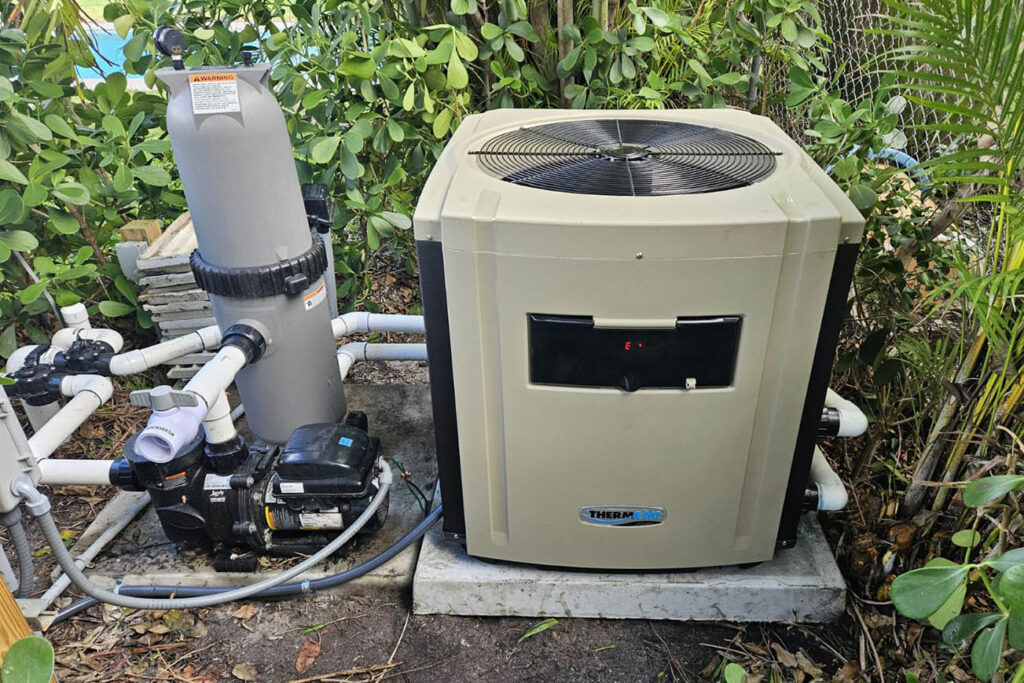
A malfunctioning pool heater is easy to put off for another day, especially during the warmer months. However, delays only lead to higher energy costs and more extensive equipment damage. When heaters operate with faulty sensors or scale buildup, they draw excess power and run longer than necessary.
Chemically imbalanced water can also accelerate internal corrosion, shortening the lifespan of heating components and increasing the likelihood of complete failure. In Florida, heaters often fail sooner because they operate year-round instead of seasonally.
Addressing heater issues early through system inspection and professional pool heater repair helps maintain efficiency, protects connected electrical components, and keeps overall pool maintenance costs predictable.
Finn’s Pool Service evaluates heater performance as part of its comprehensive pool servicing, identifying early signs of corrosion and control failures before they escalate. They perform surgically precise pool heater repair to restore efficiency and prevent unnecessary equipment replacement.
Quick Recap of the 5 Pool Repairs You Shouldn’t Delay
- Pool pump issues increase energy costs and strain equipment
- Pool leaks can undermine structural stability in sandy soil
- Filtration problems compromise water quality and system performance
- Surface deterioration accelerates leaks and shell damage
- Heater malfunctions reduce efficiency and lead to costly replacements
| Pool Issue | Why Delay Is Risky in Florida |
|---|---|
| Pump issues | Equipment runs year-round in Florida, increasing heat stress and accelerating motor failure. |
| Pool leaks | High water tables and sandy soil allow leaks to spread quickly, leading to structural and deck damage. |
| Filtration problems | Warm water promotes faster algae and bacteria growth, making poor filtration a health and maintenance risk. |
| Surface damage | Constant UV exposure and salt air accelerate plaster deterioration and water intrusion. |
| Heater malfunctions | Continuous operation shortens heater lifespan and increases energy costs when issues are ignored. |
FAQs about Pool Repairs
These are the most common questions homeowners ask about pool repairs that should be addressed early:
How do I know if a pool repair is urgent?
If an issue affects water level, circulation, safety, or equipment performance, it’s best addressed promptly, especially in West Palm Beach, Florida.
Can small pool problems really cause bigger damage?
Yes. Heat, humidity, and constant use cause minor issues to escalate faster than in cooler regions.
Is pool repair more expensive in Florida?
Not necessarily. But delays often make repairs more costly due to accelerated wear and more damage.
How often should my pool be professionally inspected?
At least once a year, with additional checks after storms or heavy seasonal use. Pools with older equipment or heavy use may benefit from more frequent inspections.
Staying Proactive with Pool Repairs
Florida pools demand a proactive approach. Timely repairs not only prevent breakdowns but also protect your investment and reduce your operating costs. Knowing what issues to address early allows homeowners to make informed decisions rather than reactive ones.
Professional insight adds value by identifying issues accurately and resolving them before they become larger, more expensive problems, especially in a climate that leaves little room for delay.
If you have concerns about pool repair or want a professional opinion, contact a licensed pool professional at Finn’s Pool Service. Our team can provide practical guidance based on real conditions in Palm Beach County. Call 561-566-9344 to speak with a technician.
Photo Credit: Hero Image by Eric Prouzet
- Phone: (561) 566-9344
- Email: [email protected]
-
Address: 1335 Old Okeechobee Rd. #450
West Palm Beach, FL 33401 - Mon – Fri: 8:00 AM – 6:00 PM
- Sat & Sun: 9:30 AM – 4:00 PM