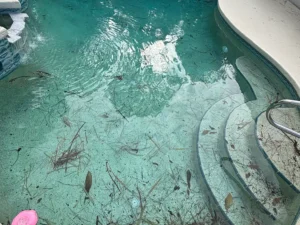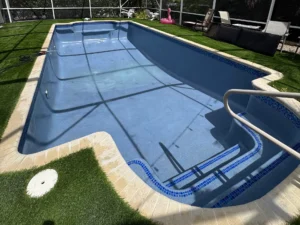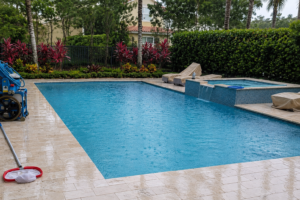
Pool surfaces in South Florida take a beating. Between constant sun exposure, heavy rain, and year-round use, even well-maintained pools eventually begin to fade, stain, or develop rough areas.
If you’re starting to notice wear, it may be time to consider pool resurfacing in West Palm Beach to restore both the look and performance of your pool.
When it comes to finishes, the two most commonly compared options are plaster and pebble. This guide breaks down pebble vs plaster pool finish in Florida so you can choose a surface that fits your pool, your maintenance expectations, and the local climate.
Signs It’s Time to Resurface Your Pool
Even with consistent service, no pool finish lasts forever.
Common signs include:
- peeling or pitted plaster
• discoloration that won’t clean off
• rough areas that scrape feet
• visible cracks or leaks
• a dull or uneven appearance
If your pool is over 10–15 years old or has been acid washed multiple times, resurfacing is no longer optional. It becomes necessary to protect the structure and maintain safe use.
Pebble vs Plaster Pool Finish Florida Comparison
If you’re comparing pebble vs plaster pool finish in Florida, the biggest differences come down to durability, maintenance, and long-term performance.
Plaster Finish
Plaster is the traditional pool finish made from cement and sand.
- smooth texture underfoot
- bright, uniform appearance
- lower upfront cost
- typical lifespan of 7–10 years
- more sensitive to water chemistry issues
Pebble Finish
Pebble finishes combine small stones with cement to create a more durable surface.
- textured, natural look
- significantly longer lifespan (15–20+ years)
- strong resistance to staining and chemical wear
- holds up well in high-use pools
- higher upfront investment
How Florida Conditions Affect Pool Finishes
South Florida pools operate in one of the harshest environments for pool surfaces.
Constant UV exposure, heat, and heavy rain all impact how long a finish lasts.
- Plaster tends to wear faster in Florida due to chemical fluctuations and sun exposure
- Pebble surfaces are more resistant to etching, scaling, and fading
- Saltwater systems accelerate wear on traditional plaster
Because of these conditions, many homeowners looking at pool resurfacing in Jupiter or coastal areas prioritize durability over initial cost.
Which Pool Finish Lasts Longer in Florida?
For most South Florida pools, pebble lasts longer than plaster.
Plaster can perform well with perfect water chemistry and consistent maintenance. However, even small imbalances over time can lead to etching, staining, and surface breakdown.
Pebble is more forgiving. It handles fluctuations better and maintains its appearance longer in high-exposure environments.
That said, lifespan is not the only factor.
Do You Need a Pebble Finish?
Not always.
Pebble is often seen as the premium option, but it is not the only durable finish available.
Many homeowners choose quartz-based finishes such as Diamond Brite because they offer:
- improved durability over plaster
- smoother texture than pebble
- strong resistance to staining and chemical wear
- a more cost-effective upgrade path
If you’re planning pool resurfacing in Palm Beach Gardens, quartz finishes are often the most balanced option between performance and cost.
User Experience: Look and Feel
The way your pool feels matters just as much as how it looks.
- Plaster provides a smooth, traditional surface but can become slippery
- Pebble offers a more textured feel and a natural, lagoon-style appearance
- Quartz finishes fall between the two, offering durability with a smoother finish
Lighting also plays a role. Pebble and quartz finishes tend to create more depth and variation under water, especially at night.
Warranty and Long-Term Value
Warranty coverage reflects expected lifespan.
- Plaster typically carries shorter warranties (1–5 years)
- Pebble finishes often come with extended warranties (10–15 years)
A longer warranty does not just protect your investment. It also signals that the material is designed to perform under real-world conditions.
Pebble vs Plaster Pool Finish Comparison Chart
Choosing the right finish for your pool resurfacing project depends on your priorities. This pebble vs plaster pool resurfacing comparison highlights the key features.
| FEATURE | PLASTER | PEBBLE |
| Appearance | Smooth, uniform | Natural, textured |
| Texture | Silky smooth | Slightly textured |
| Lifespan | 7–10 years | 15–20+ years |
| Water Chemistry Tolerance | Low | High |
| Stain Resistance | Moderate | Excellent |
| Warranty (Typical) | 1–5 years | 10–15 years |
| Cost (Relative) | Lower | Higher |
| Aesthetic Variety | Limited | High |
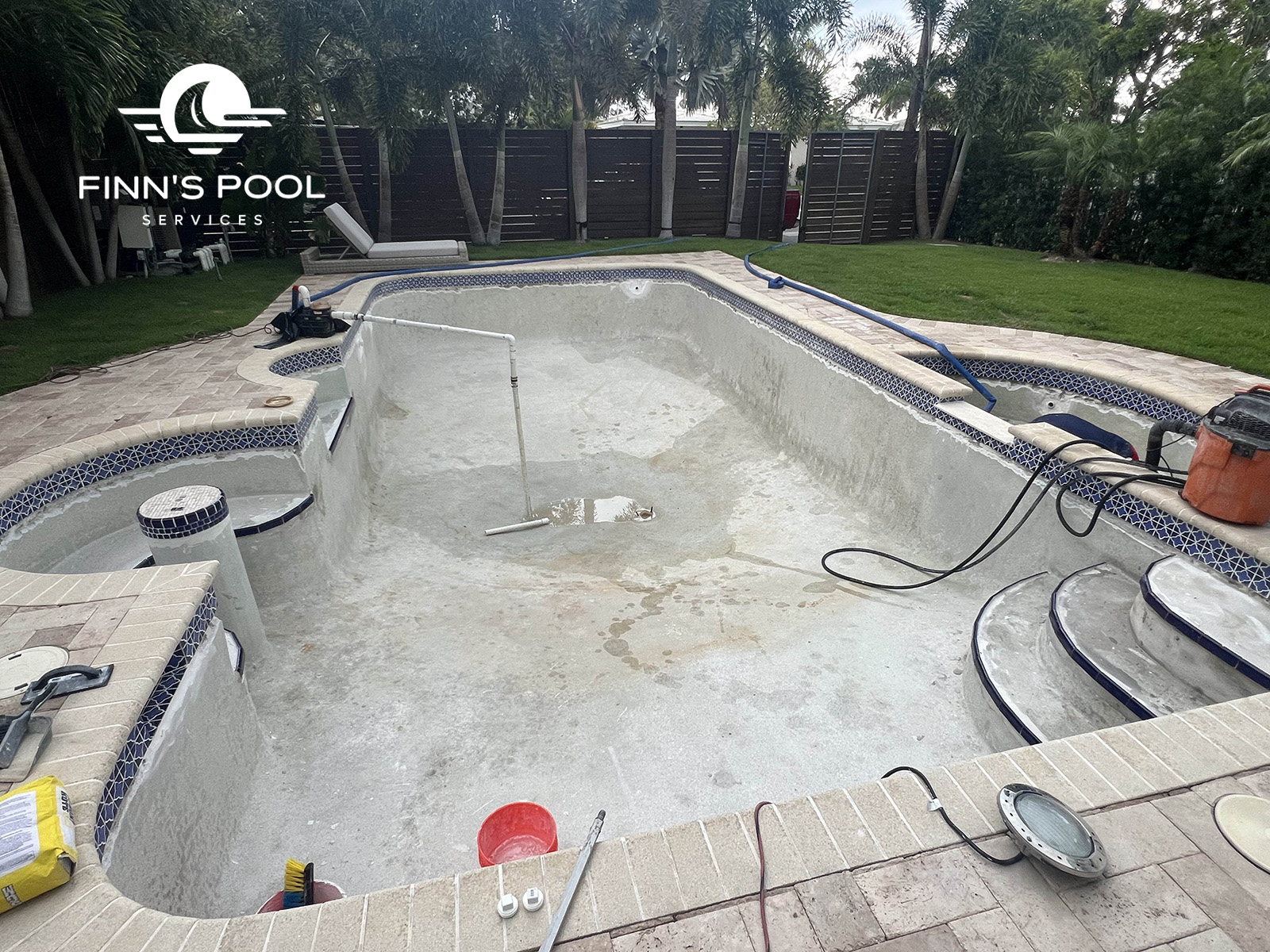
Before & After: Pool Resurfacing Results
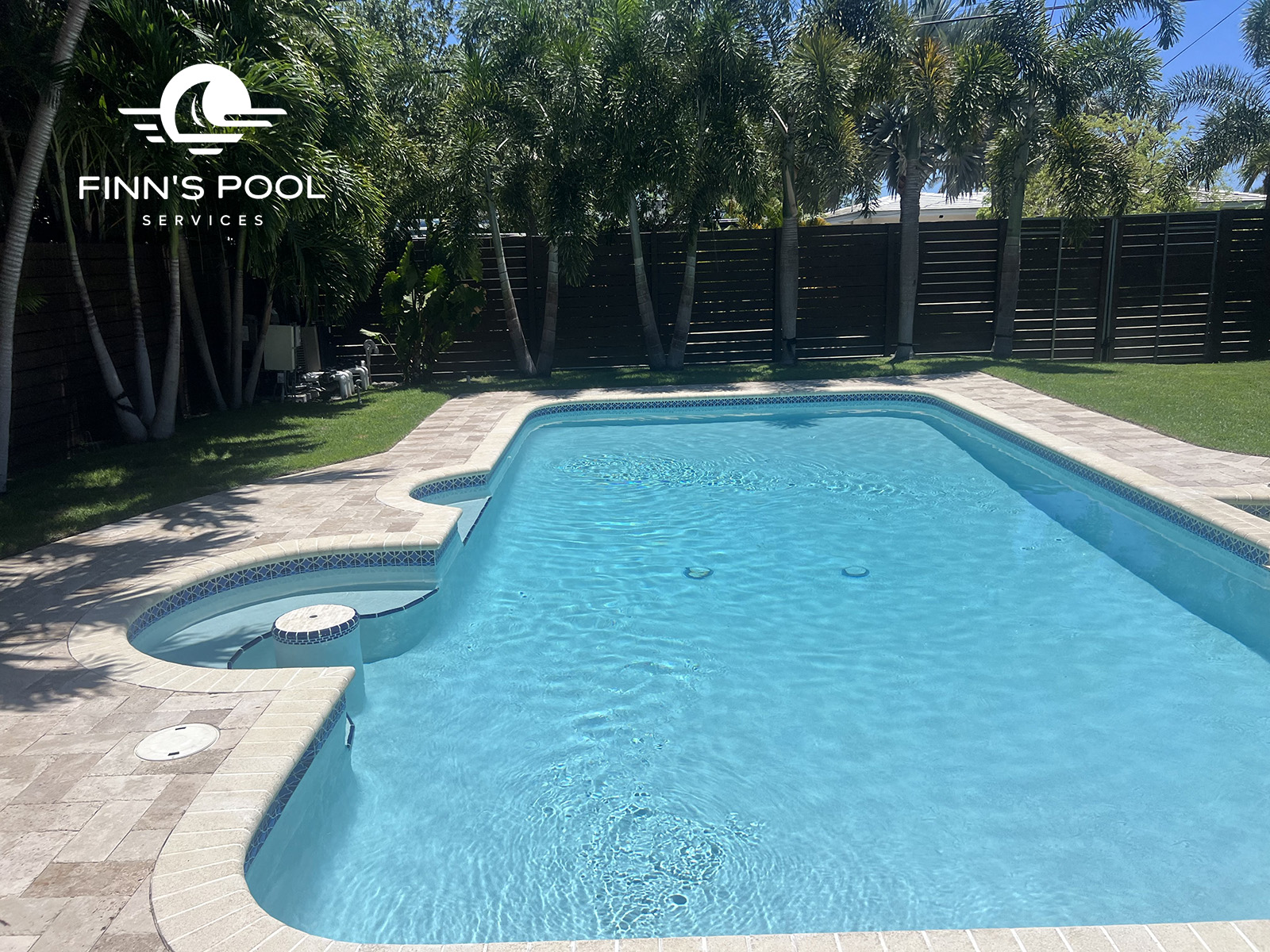
Below are real examples of how different finishes can transform a pool during resurfacing:
Pebble vs Plaster Pool Finish Florida FAQs
How long does pebble vs plaster pool resurfacing take?
Most pool resurfacing projects take 5 to 7 days for active work. After that, the curing and startup process continues for several weeks depending on the finish. You can learn more about the pool plaster startup process and how it protects your new surface.
Does pebble feel rough on bare feet?
Pebble has a slightly textured feel compared to plaster. It is not sharp, but it is not completely smooth either. Many homeowners prefer the added grip, especially on steps and shallow areas.
How much does pebble vs plaster pool resurfacing cost?
Costs vary based on pool size, condition, and prep work required. Pebble and quartz finishes typically cost more upfront than plaster but last longer and require less long-term maintenance.
Can I switch from plaster to pebble during resurfacing?
Yes. Most resurfacing projects involve removing or preparing the existing surface, which allows you to upgrade to a different finish during the process.
Which lasts longer, pebble or plaster resurfacing?
Pebble finishes typically last 15 to 20+ years, while plaster surfaces usually last around 7 to 10 years. In South Florida, plaster tends to wear faster due to sun exposure, heavy use, and water chemistry fluctuations.
If longevity is the priority, pebble is the longer-lasting option. That said, both finishes can perform well when water chemistry is properly maintained. Many homeowners also choose quartz finishes like Diamond Brite as a balance between durability and cost.
Will resurfacing fix leaks?
Resurfacing can address minor surface cracks, but it doesn’t fix all leaks. If a leak is suspected, proper leak detection should be completed before resurfacing.
Choosing the Right Finish for Your Pool
Choosing between pebble vs plaster pool finish in Florida depends on your priorities.
If you want lower upfront cost and a traditional look, plaster may be the right fit.
If you want longer lifespan and better resistance to Florida conditions, pebble or quartz finishes are the stronger option.
The best choice comes down to how you use your pool, how consistent your maintenance is, and how long you plan to stay in the home.
Get Expert Help Choosing the Right Pool Finish
If your pool surface is worn, rough, or showing signs of failure, resurfacing is the right next step.
At Finn’s Pool Services, we help homeowners evaluate finish options based on real-world conditions, not just product comparisons.
If you’re planning resurfacing, schedule an evaluation to determine which finish makes the most sense for your pool and your long-term maintenance goals.
Photo Credit: Hero Image by Eric Prouzet
- Phone: (561) 566-9344
- Email: [email protected]
-
Address: 1335 Old Okeechobee Rd. #450
West Palm Beach, FL 33401 - Mon – Fri: 8:00 AM – 6:00 PM
- Sat & Sun: 9:30 AM – 4:00 PM