Selecting the best pool pump horsepower is a technical requirement for maintaining safe circulation and consistent water clarity. Understanding the best pool pump horsepower for your specific plumbing layout prevents oversizing and unnecessary energy consumption. The pump moves water through the filtration system and ensures sanitizing chemicals are distributed evenly across the entire pool. Many homeowners assume that a higher horsepower rating guarantees better performance. In practice, oversizing a pump increases electrical consumption and accelerates wear on filters, valves, and plumbing.
Identifying the correct size for your pool requires calculating volume, flow rate, and hydraulic resistance. If you are dealing with weak circulation, noisy equipment, or rising electric bills, our professional pool repair team can perform system diagnostics and confirm whether your current pump is properly sized.
More from Finn’s Pool Services’ Blog
If you’re looking for an in-depth checklist on where and how to start the construction of a new pool, read our complete guide to new pool construction:
👉 https://finnspoolservices.com/guide-to-new-pool-construction/
The Function of the Pool Pump
The pool pump controls three core functions: filtration, circulation, and chemical distribution. Water is pulled from the skimmer and main drain, pushed through the pump basket, and then forced through the filter before returning to the pool.
Without continuous circulation, debris settles and sanitizer concentration becomes uneven. Local climate conditions in South Florida accelerate algae growth due to heat and heavy rainfall. Maintaining proper turnover is one of the most important factors in preventing cloudy water and surface staining.
Calculating Your Required Flow Rate (GPM)
The chart below provides a quick reference for common residential pool sizes and their required flow rate based on different turnover targets.
| Pool Size (Gallons) | 8 Hour Turnover (GPM) | 10 Hour Turnover (GPM) | 12 Hour Turnover (GPM) |
|---|---|---|---|
| 10,000 | 21 GPM | 17 GPM | 14 GPM |
| 15,000 | 31 GPM | 25 GPM | 21 GPM |
| 20,000 | 42 GPM | 33 GPM | 28 GPM |
| 25,000 | 52 GPM | 42 GPM | 35 GPM |
| 30,000 | 63 GPM | 50 GPM | 42 GPM |
Determining the best pool pump horsepower begins with turnover rate calculations. Most residential pools are designed to circulate their full water volume every 8 to 12 hours. This calculation forms the foundation for identifying the best pool pump horsepower for your system.
The calculation process:
- Determine total pool volume in gallons.
- Divide total gallons by desired turnover time in minutes.
- The result equals the required Gallons Per Minute (GPM).
Example:
20,000 gallons ÷ 480 minutes (8 hours) = 42 GPM
The selected pump must produce this flow rate within the operating pressure limits of your filter. Exceeding the filter’s design flow reduces filtration efficiency and shortens equipment lifespan.
Understanding Total Dynamic Head (TDH)
Horsepower alone does not determine pump performance. Total Dynamic Head (TDH) measures the resistance your pump must overcome to move water through the system. Resistance is created by pipe length, pipe diameter, fittings, elevation changes, and additional features such as raised spas or waterfalls.
Every 90-degree elbow increases friction loss. Long suction runs from the pool to the equipment pad add measurable resistance. Raised bond beams and elevated spas increase vertical lift requirements. These variables combine to determine how hard the pump must work to maintain the required flow rate.
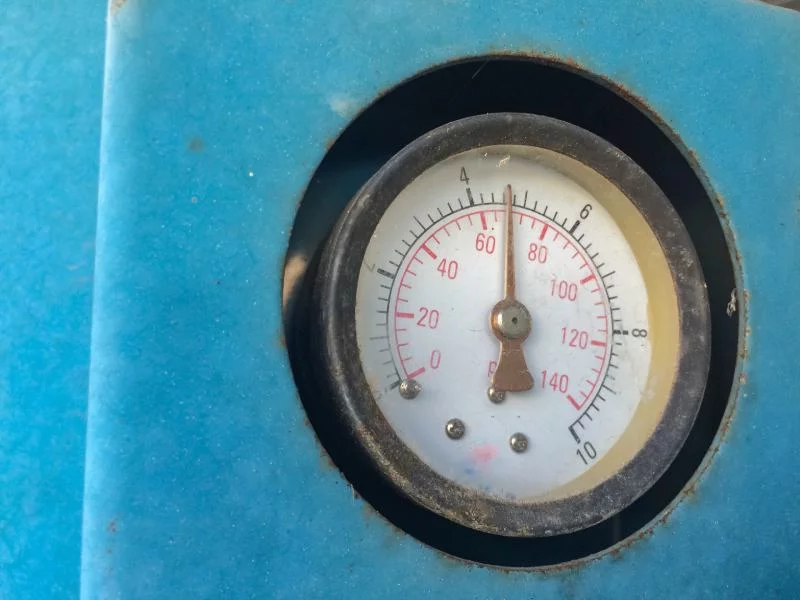
One of the easiest ways to observe system resistance is by monitoring the filter pressure gauge. Higher PSI readings typically indicate greater resistance within the plumbing and filtration system. When pressure rises beyond normal operating range, flow efficiency drops and energy consumption increases.
A 1.5 horsepower pump installed on a low-resistance system may deliver better performance than a 2.0 horsepower pump installed on plumbing with excessive restriction. Matching the pump’s performance curve to the calculated TDH of the system is the only reliable method for proper sizing.
Ignoring TDH is one of the most common causes of oversized pump installations and unnecessary electrical expense.
👉 More from Finn’s Pool Services’ Blog
You can learn more about the hidden costs of choosing the wrong pool maintenance partner in our detailed article about how pool maintenance affects home insurance prices in Florida.
The Problem with Oversizing a Pool Pump
Installing too much horsepower reduces system efficiency. High flow rates can cause channeling inside sand filters and premature cartridge degradation. Excess pressure also strains heater exchangers and multiport valves.
Energy usage becomes the largest long-term expense. In Palm Beach County, where pool pumps operate year-round, the difference between properly sized equipment and oversized equipment can equal hundreds of dollars per year in electricity.
If your pool includes a spa, waterfall, or deck jets, the solution is not maximum horsepower. The correct solution is adjustable speed control.
Variable Speed Pumps vs. Single Speed Pumps
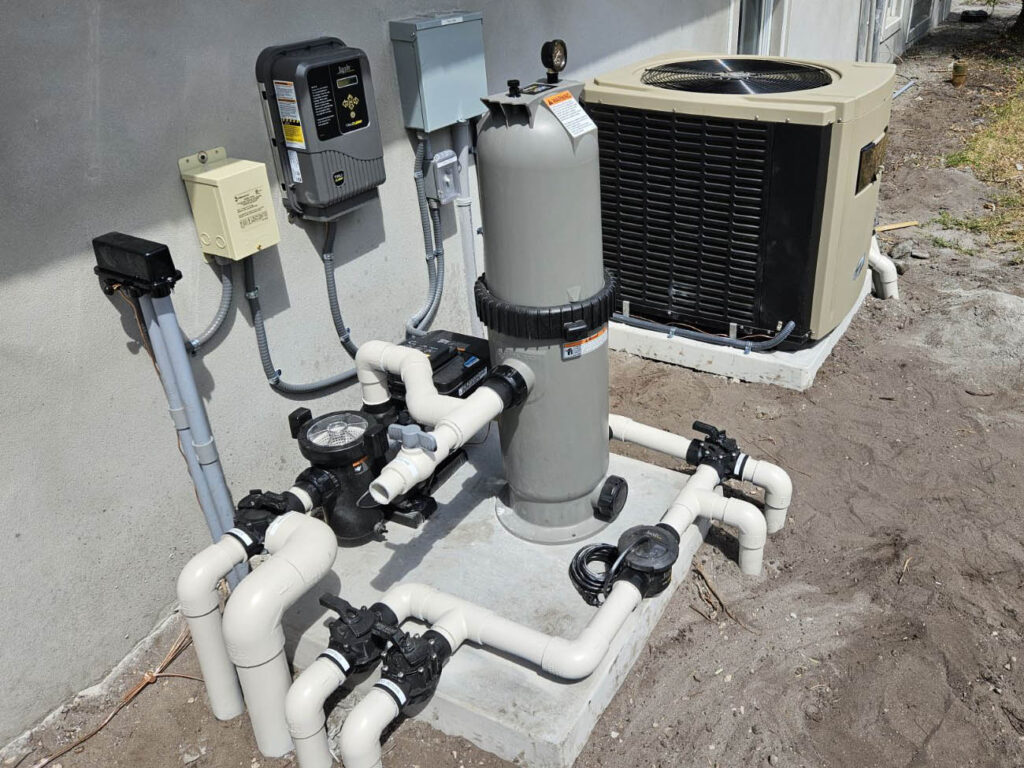
Modern evaluations of the best pool pump horsepower almost always lead to Variable Speed Pumps (VSPs). Traditional single-speed motors operate at 3,450 RPM continuously. This speed is often unnecessary for basic filtration. A properly configured VSP allows you to fine-tune output instead of relying on a fixed best pool pump horsepower rating.
A Variable Speed Pump allows programmable RPM settings. Low speed can be used for daily filtration at significantly reduced wattage. Higher speeds can be temporarily activated when operating water features or heating systems.
Energy consumption drops dramatically at lower RPM settings. Many homeowners recover the additional upfront investment in energy savings within one to two years.
Florida Energy Standards and Compliance
Florida energy codes require variable speed technology in many residential pump replacements. When a single-speed motor fails, replacement often must meet current energy efficiency standards.
Compliance protects homeowners from inspection issues and ensures reduced operating costs. Working with a licensed contractor guarantees that electrical load, bonding, and automation integration meet Florida building code requirements.
Maintenance and System Longevity
Maintaining proper pump performance requires periodic inspection. A clogged pump basket reduces suction efficiency. Air leaks on the suction side create cavitation and premature seal failure. Salt air exposure in coastal areas accelerates corrosion of motor housings and hardware.
Grinding or screeching noises typically indicate bearing wear. Addressing mechanical issues early prevents emergency equipment failure during peak swim season.
Routine equipment checks are included in our pool equipment upgrade and repair services to ensure optimal performance throughout the year.
Conclusion
Choosing the best pool pump horsepower requires hydraulic calculations, proper TDH analysis, and an understanding of your pool’s turnover requirements. Matching pump performance to pool volume, TDH, and filtration limits protects your equipment and reduces monthly operating costs.
In most modern residential applications, a properly configured Variable Speed Pump provides the most efficient and compliant solution.
West Palm Beach homeowners can explore equipment diagnostics and licensed installation options on our West Palm Beach Pool Repair page.
Photo Credit: Hero Image by Eric Prouzet
- Phone: (561) 566-9344
- Email: [email protected]
-
Address: 1335 Old Okeechobee Rd. #450
West Palm Beach, FL 33401 - Mon – Fri: 8:00 AM – 6:00 PM
- Sat & Sun: 9:30 AM – 4:00 PM