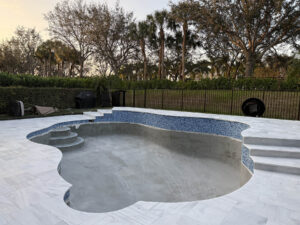
Pool stains are often dismissed as a cosmetic issue, but in reality they can signal deeper problems that create real health risks of pool stains when left untreated. What starts as discoloration on a pool surface can quietly affect water quality, swimmer safety, and the long-term condition of the pool itself.
After years of maintaining pools throughout Palm Beach County, we’ve seen firsthand how neglected stains often point to underlying chemistry or sanitation problems. Homeowners are sometimes surprised to learn that stains they’ve ignored for months are connected to issues that can impact both health and safety.
Understanding Pool Stains and Why They Matter
Pool stains can form for several reasons, including metal content in the water, organic debris, algae growth, and imbalanced water chemistry. Common examples include copper stains that appear blue-green or brown, iron stains that leave rust-colored marks, and organic stains caused by leaves, dirt, or algae.
Recognizing the source of a stain is important because each type presents different health risks of pool stains. Metal stains often indicate corrosion or chemistry issues, while organic stains are frequently tied to poor sanitation or inadequate circulation.
Health Risks of Pool Stains for Swimmers
One of the most overlooked health risks of pool stains is the way they can support bacteria and algae growth. Organic stains in particular create an environment where microorganisms thrive, increasing the risk of skin irritation, eye discomfort, and respiratory issues for swimmers.

From our experience in the field, pools with persistent staining often struggle to maintain proper sanitizer levels. Even when the water looks mostly clear, stains can signal that chlorine or other sanitizers are not working effectively, which increases the likelihood of waterborne illness.
Safety Hazards Caused by Pool Stains
Beyond health concerns, stains can create physical safety risks. Algae-related staining can make pool surfaces slippery, especially on steps, benches, and shallow areas. These slick surfaces increase the risk of slips and falls, which can result in injuries ranging from minor bruises to more serious accidents.
Stains can also reduce water clarity. Cloudy or discolored water makes it harder to see swimmers or obstacles, increasing safety concerns, particularly for children and older swimmers.
Long-Term Damage Linked to Pool Stains
The health risks of pool stains extend beyond swimmers to the pool itself. Over time, stains can penetrate plaster, tile, or liners and cause permanent discoloration or surface deterioration. Exposure to sunlight combined with poor water balance can accelerate this damage, leading to etching, rough textures, and weakened finishes.
Repairing stained or damaged pool surfaces can be costly. Addressing stains early helps preserve the pool finish, extend the life of the surface, and reduce the need for extensive repairs or resurfacing.
Why Timely Stain Removal Matters
Prompt stain removal plays a key role in maintaining healthy pool water. Stains often interfere with pH balance and chemical effectiveness, reducing the ability of sanitizers to keep the water safe.
Regular testing and adjustment of pH, alkalinity, and sanitizer levels help prevent conditions that lead to staining. Balanced water chemistry protects swimmers while reducing stress on pool equipment and surfaces.
Common Pool Stain Treatment Methods
Metal stains, such as those caused by copper or iron, are sometimes treated using ascorbic acid when applied correctly. This approach dissolves metal deposits without damaging surfaces, but it must be followed by careful rebalancing to prevent the stains from returning.
Organic stains caused by leaves, grass, and algae typically respond to consistent brushing, proper sanitation, and enzyme-based cleaners designed for pool use. In our day-to-day service work, we often see organic staining develop when debris is allowed to sit on surfaces too long.
Preventing Pool Stains Through Routine Maintenance
Consistent cleaning and brushing are among the most effective ways to reduce the health risks of pool stains. Skimming debris from the water’s surface, brushing walls and steps, and vacuuming the pool floor help prevent stains from forming.
Maintaining proper pH levels is equally important. Water that is too acidic or too alkaline can encourage metal staining or scale buildup. Regular testing and small adjustments keep water balanced and reduce staining risk.
Removing organic debris promptly also helps. Leaves and grass break down quickly in water, releasing tannins that stain pool surfaces. Routine skimming and vacuuming go a long way toward preventing these issues.
When to Call a Professional for Pool Stain Issues
Some stains are difficult to remove without professional help. Experienced technicians can accurately identify stain types and determine whether chemical treatment, professional cleaning, or surface restoration is the safest solution.
Pool professionals can also advise on proper chemical use, including shock treatments when needed. Correctly timed shocking helps eliminate organic contaminants and restore water clarity without causing surface damage.
Creating a Safer, Healthier Pool Environment
Pool stains are more than an appearance issue, and the long-term health risks of pool stains are often overlooked by homeowners. Addressing stains early helps protect swimmers, maintain water quality, and preserve the condition of the pool.
Regular maintenance, prompt stain treatment, and professional evaluation when needed all contribute to a cleaner, safer swimming environment. From our experience servicing pools across South Florida, proactive care consistently prevents the bigger problems that neglected stains can create.
For general background on stain types and treatment methods, SwimmingPool.com offers a helpful overview of swimming pool stain removal that explains common causes and solutions.
If you’re dealing with persistent stains or concerns about your pool’s condition, Finn’s Pool Services can evaluate your pool and recommend the safest solution as part of our professional pool maintenance and pool resurfacing services.
If you’re dealing with ongoing pool issues or have questions about your pool’s condition, our team is happy to help. Finn’s Pool Services works with homeowners throughout Palm Beach County to evaluate pool surfaces, water chemistry, and equipment, and recommend the safest next steps based on your pool’s needs. Use the form below to request an estimate or schedule a consultation.
Updated January 2026Commercial Pool Photo Credit: Amanda Salas
- Phone: (561) 566-9344
- Email: [email protected]
-
Address: 1335 Old Okeechobee Rd. #450
West Palm Beach, FL 33401 - Mon – Fri: 8:00 AM – 6:00 PM
- Sat & Sun: 9:30 AM – 4:00 PM