Introduction to This Pool Acid Bath Guide
This pool acid bath guide explains what an acid bath is, how it differs from an acid wash, and when each treatment is appropriate for your pool surface. While the phrase is commonly used, it can refer to different treatment methods depending on the condition of the pool and the problem being addressed.
This pool acid bath guide explains what an acid bath is, how it relates to acid washing, and when these treatments are appropriate as part of professional pool care. Understanding the difference can help you avoid unnecessary damage to your pool surface and make informed maintenance decisions.
Swimming pools require regular upkeep to stay clean, comfortable, and properly balanced. When water chemistry issues go uncorrected, high pH levels, scale, and staining can develop over time. Routine inspections play an important role in catching chemistry and circulation issues early, which is why regular pool equipment inspections are an essential part of proper pool care.
Do You Need to Drain Your Pool for an Acid Wash?
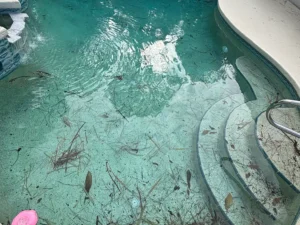
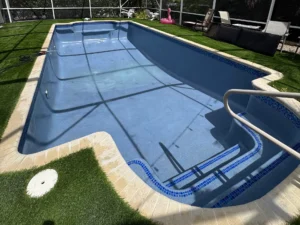
Acid washing traditionally involves draining the pool and applying an acid solution directly to the plaster surface. This process is used to remove heavy staining, mineral buildup, and discoloration that cannot be resolved through normal water chemistry adjustments.
In some situations, mild acid treatments may be used in the water to correct pH or address light surface staining without fully draining the pool. These water-based adjustments are sometimes referred to as an acid bath, but they are very different from a full acid wash. The correct approach depends on the pool surface, the severity of staining, and overall water balance.
Understanding the Importance of Acid Washing
Acid washing serves a specific purpose. It removes mineral deposits, scale, and stains that build up on plaster surfaces over time. When used correctly, it can restore the appearance of a pool and improve surface cleanliness.
However, acid washing is not routine maintenance. Each acid wash removes a thin layer of plaster. Repeated or unnecessary acid washing can shorten the lifespan of the pool surface and expose aggregate beneath the plaster.
Because an acid bath removes a thin layer of plaster to reveal a cleaner surface, it should only be performed when adequate finish thickness remains. If your plaster is already rough, pitted, or thinning, professional pool resurfacing is often the more appropriate long-term solution.
In our experience servicing older plaster pools throughout Palm Beach County, we frequently find that repeated acid washes were performed before addressing underlying surface wear. By the time homeowners call us, the finish often requires structural restoration rather than another cleaning treatment.
Industry guidance from the National Plasterers Council notes that acid washing should only be used when necessary due to its impact on plaster surfaces.
For this reason, a professional evaluation is recommended before moving forward with this type of treatment.
Steps to Perform an Acid Bath for Your Pool
Before attempting any acid treatment, it is important to understand the difference between adjusting water chemistry and performing a full acid wash. The steps below outline general considerations and are not a substitute for professional service when surface damage or heavy staining is present.
Step 1: Testing the pH Level of Your Pool Water
Testing the pool water is the first step before any acid is added. If the pH level is above the recommended range of 7.2 to 7.8, acid may be required to bring it back into balance. Accurate testing helps prevent overcorrection, which can damage pool surfaces and equipment.
Step 2: Calculating the Appropriate Amount of Acid
The amount of acid needed depends on the size of the pool, current water chemistry, and the specific issue being addressed. Adding too much acid can lead to corrosion, etching, and equipment damage. Manufacturer guidelines should be followed carefully, or a pool professional should be consulted to determine the correct dosage.
Step 3: Adding Acid to Your Pool Water
Safety precautions are critical when handling acid. Protective gloves and eye protection should always be worn. Acid should be added slowly and carefully according to professional guidelines to prevent concentrated exposure to the pool surface. Improper handling can result in permanent damage.
Step 4: Circulation and Monitoring
After acid is added, the pool circulation system should run continuously to distribute the treatment evenly. Proper circulation prevents acid from settling in one area and reduces the risk of surface etching. Monitoring the water during this process is essential.
Step 5: Retesting and Making Adjustments
After several hours of circulation, the pool water should be retested. If pH levels remain high, small adjustments may be made gradually. If the pH drops too low, corrective chemicals may be required to restore proper balance. Water chemistry should always be adjusted slowly to avoid surface stress. If pH issues continue, overall water balance should be reviewed before additional treatment is applied.
The Option of Hiring Professional Pool Services
Acid baths and acid washing require experience, proper equipment, and a clear understanding of how acid interacts with plaster surfaces. Improper application can permanently damage a pool and lead to costly repairs.
Finn’s Pool Services provides professional acid washing as part of our surface care and restoration services when staining or buildup cannot be resolved through standard water balancing. In many cases, acid washing is performed in conjunction with pool resurfacing to restore worn or heavily stained plaster surfaces safely and correctly. Our technicians evaluate whether an acid wash is appropriate and apply treatments safely to protect the integrity of your pool.
Frequently Asked Questions About Acid Baths for Pools
Do you need to drain your pool to acid wash?
In most cases, yes. Traditional acid washing requires draining the pool so acid can be applied directly to the surface. Mild water-based treatments may be performed without draining, but these are not the same as a full acid wash.
How long does an acid wash take?
An acid wash typically takes 15 to 30 minutes once applied. Afterward, the pool must be thoroughly rinsed, refilled, circulated, and balanced before it can be used again.
What chemical is used to acid wash a pool?
Muriatic acid is most commonly used. It effectively removes scale and stains but must be handled carefully due to its corrosive nature.
Can you swim immediately after an acid wash?
No. The pool must be refilled, circulated, and fully balanced before swimming is safe. Water testing should confirm proper chemistry before use.
Will an acid wash remove black algae?
An acid wash may remove visible staining, but black algae often has deep roots that require additional treatment. Professional evaluation is recommended.
What happens if too much acid is added to a pool?
Excess acid can lower pH levels too far, causing surface etching, equipment corrosion, and swimmer discomfort. Correct dosing and careful monitoring are essential.
Achieve a Clean, Balanced Pool with Proper Care
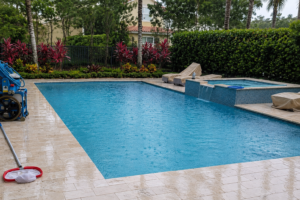
Acid baths and acid washes can be effective when used correctly, but they are not routine maintenance solutions. Understanding when these treatments are appropriate helps protect your pool surface and avoid unnecessary wear.
If your pool has persistent stains, scale buildup, or surface discoloration, Finn’s Pool Services can evaluate your pool and recommend the safest solution as part of our professional pool maintenance and resurfacing services. Homeowners in West Palm Beach can also learn more about local options on our West Palm Beach Pool Resurfacing page.
Acid baths and acid washes can improve the appearance of stained or scaled plaster when the surface still has adequate thickness. However, because each treatment removes a thin layer of material, it should never be used as routine maintenance.
This pool acid bath guide is intended to help homeowners understand when surface treatment is appropriate and when resurfacing may be the better long-term solution. If your pool surface is rough, pitted, or repeatedly staining despite proper chemistry, a more permanent solution such as professional pool resurfacing may be the safer long-term investment. A qualified evaluation can determine whether restoration or replacement is the appropriate next step.
Updated February 2026- Phone: (561) 566-9344
- Email: [email protected]
-
Address: 1335 Old Okeechobee Rd. #450
West Palm Beach, FL 33401 - Mon – Fri: 8:00 AM – 6:00 PM
- Sat & Sun: 9:30 AM – 4:00 PM